
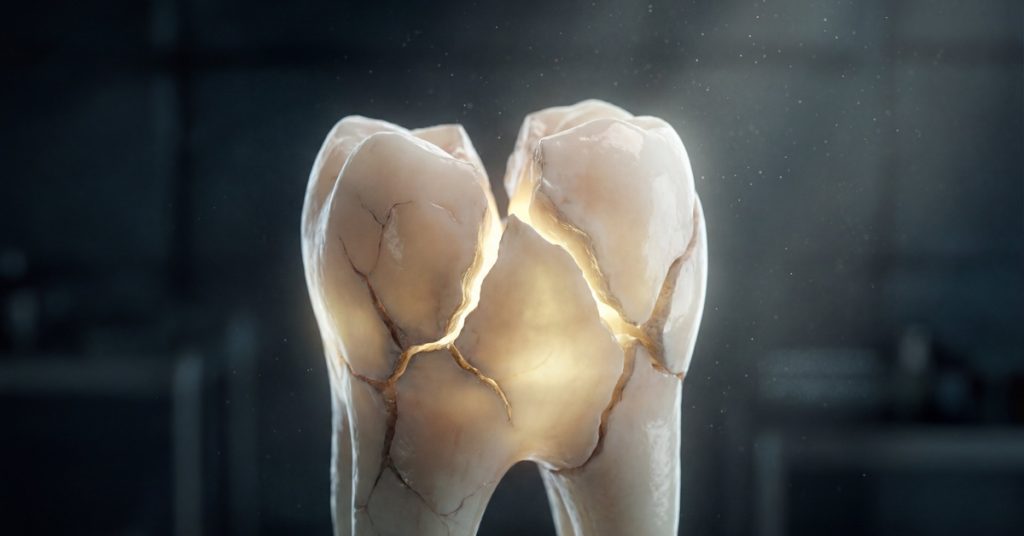
Teeth can crack during some pretty normal moments. Do you ever crunch ice at the end of a drink, bite into popcorn without checking for kernels, or use your teeth when your hands are full? Those habits can wear teeth down or put them under more pressure than they should handle. Avoid cracking your teeth by paying attention to those small choices before they turn into a painful surprise.
Skip Chewing Ice
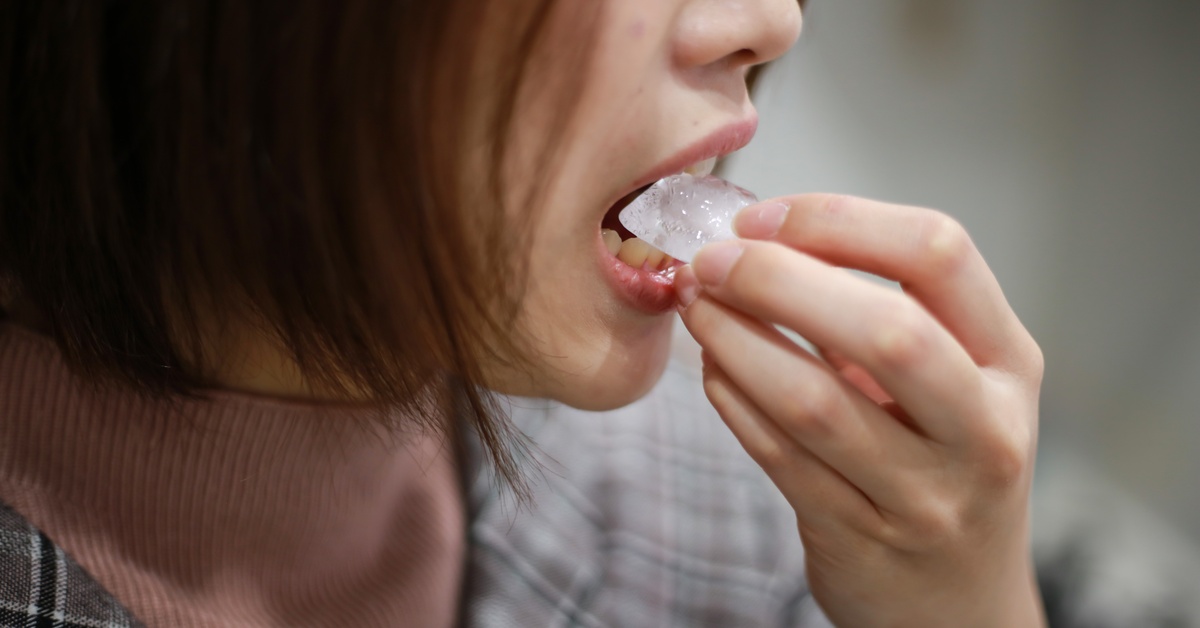
Do you enjoy chewing on ice? This habit is more common than you might think, especially among pregnant women, people with iron deficiencies, and people with compulsive conditions like pica. And while it may seem harmless, it can do real damage to your teeth over time.
Your tooth enamel is strong, but it isn’t flexible, so hard frozen cubes can create small fractures that grow over time. This happens even faster if a tooth already has a filling, hidden wear, or a weak spot you can’t see. These fractures can eventually reach a point where they start causing sharp pain and other symptoms, including sensitivity when biting or chewing. If you crave ice, consider snacking on a similar but softer icy treat instead, like shaved ice.
Don’t Use Your Teeth as Tools
Your teeth are meant for chewing food, not tearing open packages, popping bottle caps, pulling tags, or holding objects when your hands are full. Those quick little moves put pressure on your teeth at awkward angles, which raises the risk of a crack. Front teeth are especially vulnerable here because they aren’t built to handle that kind of force. It only takes one bad bite or one sudden slip to chip or fracture a tooth that felt completely fine a second earlier.
Wear a Night Guard If You Grind Your Teeth
Teeth grinding, also called bruxism, happens when you clench or grind your teeth with too much force, often while you sleep. That repeated pressure can wear down enamel and make weak spots more likely to crack. Many people do it without realizing it until they wake up with jaw pain or tooth sensitivity. If you think you may be grinding at night, reach out to your dentist. They can check for signs of bruxism and make a custom night guard to help protect your teeth.
Be Careful with Hard Foods
Some foods are just harder on teeth than others. Unpopped popcorn kernels, hard candies, and very tough crusts can put a lot of pressure on one spot at the wrong moment. That kind of force can crack a tooth without much warning, especially if the tooth already has wear or an older filling.
Even a small change in how you eat these foods can lower the chance of a painful crack. It helps to chew carefully, take smaller bites, and avoid biting straight down on the hardest part of the food. With popcorn, check for stray kernels before chewing. With hard bread or crusty foods, breaking them into smaller pieces first can take some of the stress off your teeth.
Don’t Ignore Damaged Dental Work
Fillings, crowns, and other restorations don’t last forever. On average, fillings often last around 7 to 10 years, while crowns may last 10 to 15 years or longer depending on the material, your bite, and how well they’ve held up over time. As they wear down, loosen, or break, the tooth underneath can lose support and become more likely to crack under normal chewing pressure.
If your dental work is getting older or you’ve noticed rough edges, looseness, or changes when you bite down, reach out to a dental professional. They can examine the area and let you know whether an adjustment or replacement is needed.
Treat Cavities Before They Get Worse
A cavity weakens the structure of a tooth by creating an area that’s already lost healthy material. As that decay gets deeper, the tooth becomes less able to handle normal biting pressure and more likely to crack. This is especially true in back teeth, where chewing force is strongest day after day. Small cavities are usually much easier to treat than larger ones. If you’ve been told you have decay or you’ve noticed sensitivity, pain, or food getting stuck in one area, reach out to a dental professional before that weakened tooth turns into a bigger problem.
Don’t Let Dry Mouth Go Untreated
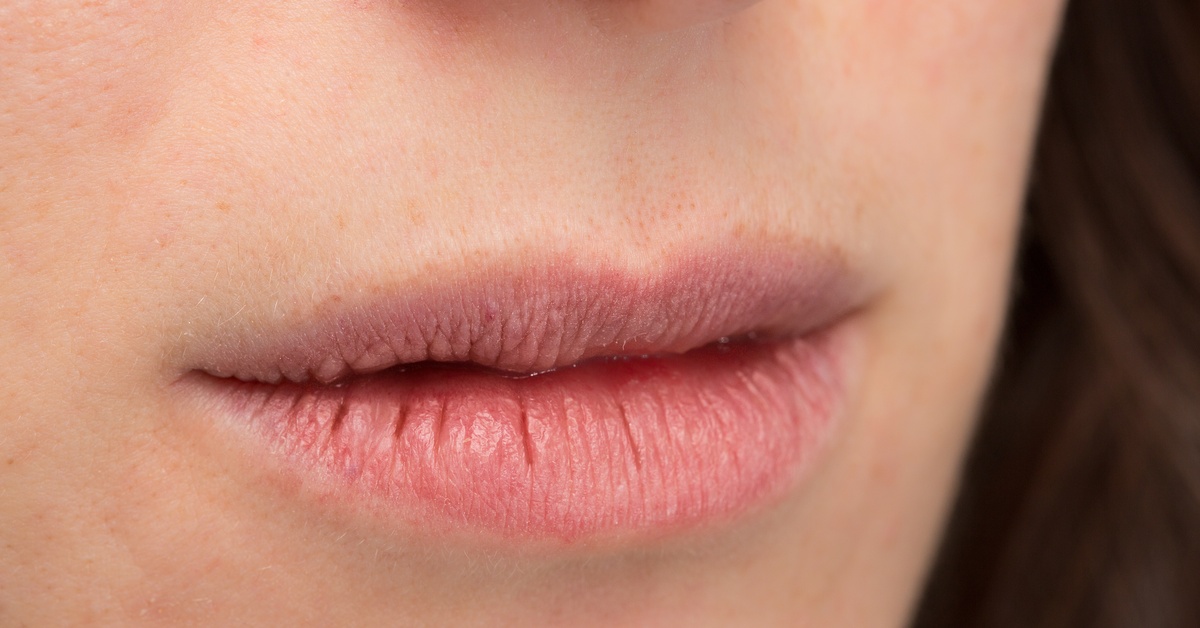
Saliva helps protect your teeth. It washes away food particles, reduces acid, and helps support the enamel that keeps teeth strong. When your mouth stays dry, your teeth lose some of that natural protection and become more vulnerable to decay. As decay develops and spreads, the tooth structure gets weaker and more likely to crack under normal chewing pressure. Dry mouth can happen because of medications, certain health conditions, or mouth breathing. Addressing it early can help protect your teeth from avoidable damage.
Protect Your Teeth During Sports
Sports and other high-contact activities can put your teeth at risk for a sudden crack or fracture. A blow to the mouth from an elbow, a ball, another player, or a fall can damage a tooth in one second, even if there’s no bleeding or obvious break right away. Contact sports like football and hockey carry a higher risk, but accidents can also happen in basketball, baseball, skateboarding, and similar activities.
A mouthguard helps cushion that impact and lowers the amount of force that reaches your teeth. That protection can reduce your risk of a painful injury and help you avoid more extensive dental treatment.
A Little Prevention Goes a Long Way
Most people don’t think much about tooth cracks until one happens. The good news is that many of the ways to avoid cracking your teeth are simple and practical once you know what puts extra stress on them. Paying attention to daily habits, protecting weak spots, and dealing with problems early can help you keep your teeth stronger for longer.
That said, even with good habits, teeth can still crack. Sometimes, a tooth gives way because of old dental work, hidden decay, or years of pressure that finally catch up with it. If you’re currently dealing with a cracked, painful tooth, reach out to the experts at Commonwealth Endodontics right away. We specialize in cracked tooth treatment and can help restore your tooth so you can be pain-free and eat comfortably again.