

A knocked out tooth is a classic dental emergency. It often happens suddenly, whether from a sports injury, a fall, or an unexpected accident. In the chaos of the moment, panic can set in, and a flood of well-meaning but often incorrect advice can make things even more confusing. What should you do? What should you not do?
This guide will clear up the confusion. We’ll debunk five common myths and misconceptions about knocked out teeth and provide you with the accurate, evidence-based information you need to save your natural smile.
A Knocked Out Tooth Can’t Be Saved
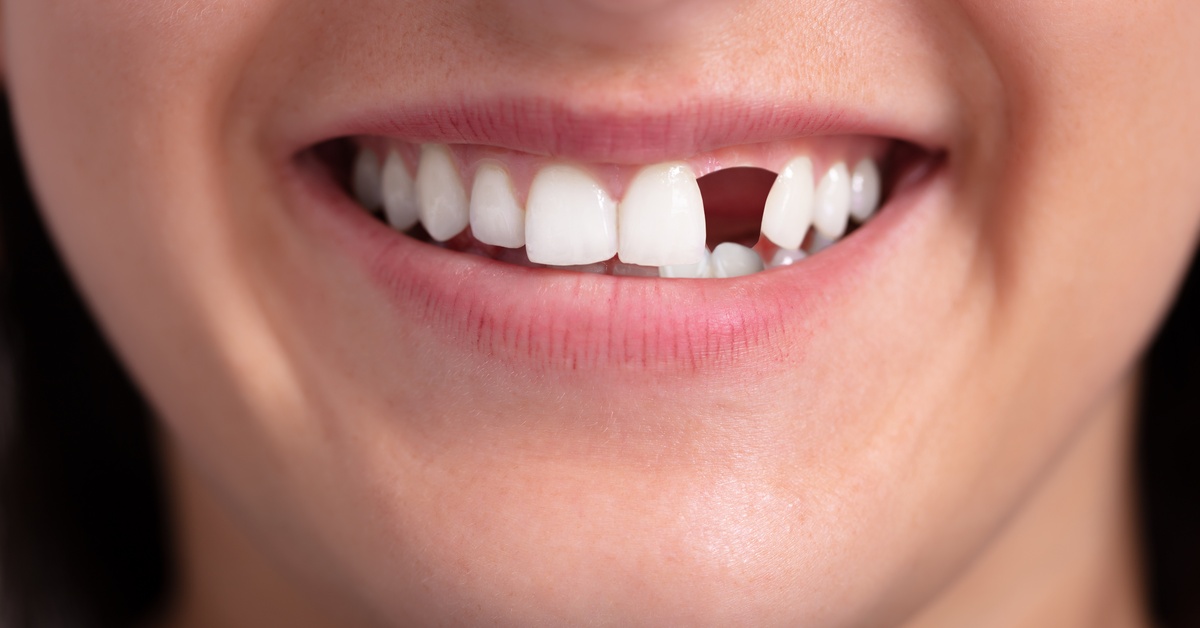
This is perhaps the most dangerous misconception. Many people assume that once a tooth is completely knocked out of its socket, it’s gone for good. This belief often leads to inaction, as people discard the tooth and simply schedule a visit to discuss replacement options like implants or bridges.
The Truth: It Can Be, But Time Is of the Essence
The reality is that a knocked out tooth (also called an avulsed tooth) can often be successfully reimplanted. But the success of this procedure hinges almost entirely on how quickly you act and how you handle the tooth.
The cells on the root of the tooth that are responsible for reattachment are very delicate. They begin to die as soon as the tooth is out of the mouth. The sooner the tooth is put back in its socket, the higher the chance these cells will survive and reattach to the jawbone. The ideal window for reimplantation is within the first 30 to 60 minutes after the injury. After this period, the chances of long-term success decrease dramatically.
You Should Clean the Tooth Thoroughly with Soap and Water
When a tooth falls out, it often lands on the floor or ground, picking up surface debris, dust, or fluff that makes it appear quite grimy. The natural instinct for many is to scrub it clean before taking it to the dentist. You might reach for soap, alcohol, or a toothbrush to get rid of any debris. While the intention is good, this is one of the worst things you can do.
The Truth: Gently Rinse, But Never Scrub the Root
The root of your tooth is covered by the periodontal ligament, a tissue that contains the cells needed to reattach a tooth after it’s been knocked out. Scrubbing the root with soap, disinfectants, or even a brush will destroy these cells and make it impossible for the tooth to reattach.
If the tooth is dirty, you should handle it only by the crown (the part you see when you smile). Gently rinse it for a few seconds with milk, a saline solution, or a special tooth-preserving solution like Save-A-Tooth. If none of these are available, you can use a small amount of your saliva. Don’t use tap water, as its mineral content can also damage the root cells. The goal is to gently remove debris, not to sterilize the tooth.
It’s Best to Transport the Tooth in a Dry Tissue or Towel
In the panic of a dental injury, people often grab the nearest thing to wrap the tooth in, which is usually a tissue, paper towel, or cloth. They believe keeping it protected and dry is the right way to transport it to the dentist’s office.
The Truth: You Need To Keep the Tooth Moist
Keeping the tooth dry will make it unsalvageable. The cells on the root surface need to stay hydrated to stay alive. A dry environment will kill them within minutes.
The best place to store a knocked out tooth is back in its socket. If you can, gently rinse it as described above and carefully slide it back into place. Bite down gently on a piece of gauze or a clean cloth to hold it steady.
If you can’t put the tooth back in its socket, the next best option is to place it in a small container of milk. Milk has a chemical composition that’s compatible with the root cells and will help keep them alive. Alternatively, you can hold the tooth inside your cheek, as their saliva will keep it moist. Be careful not to swallow it. As a last resort, you can use a saline solution or a special tooth preservation kit. Never transport it in tap water or wrapped in a dry cloth.
Any Dentist Can Handle a Traumatic Dental Injury
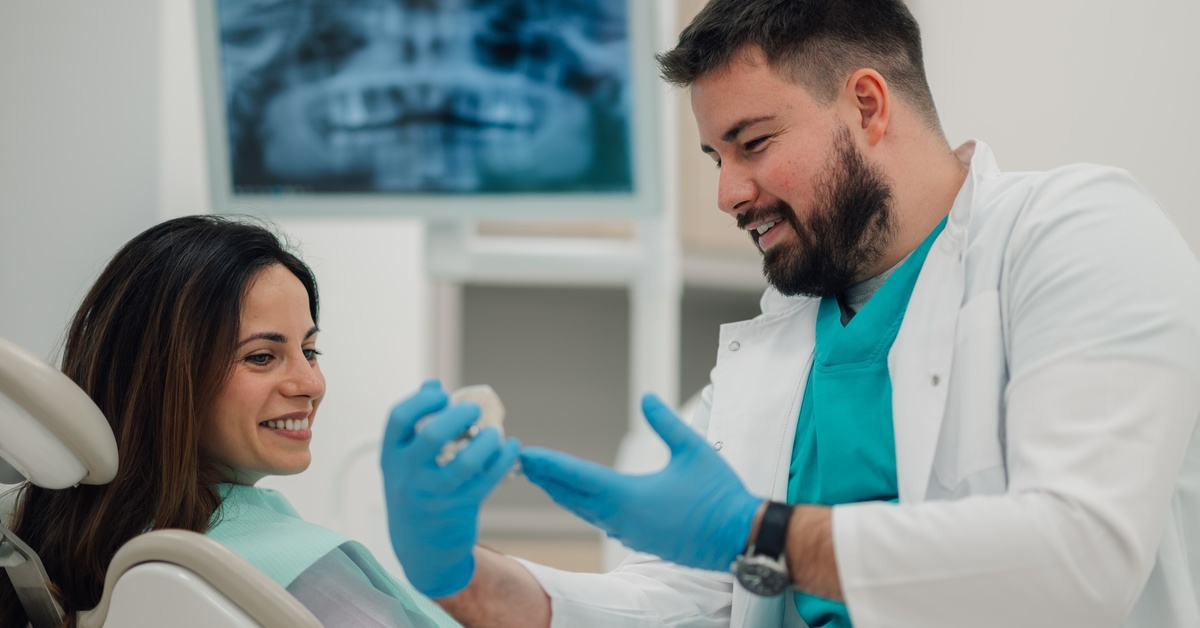
When a tooth is knocked out, the first thought is to call your regular family dentist. While general dentists can certainly provide initial emergency care, complex cases involving traumatic dental injuries often require specialized expertise.
The Truth: An Endodontist Is a Specialist in Saving Teeth
An endodontist is a dental specialist who focuses on treating injuries and diseases of the dental pulp (the inner part of the tooth). After a tooth is reimplanted, it’ll almost always require root canal therapy. This is because the injury severs the blood supply to the tooth, which causes the pulp tissue to die. If left untreated, the dead tissue will become infected and cause the reimplantation to fail.
An endodontist specializes in root canal treatment and managing traumatic dental injuries. They use advanced tools like operating microscopes to perform delicate procedures and handle complex cases. After a traumatic injury, your general dentist may refer you to an endodontist to improve the tooth’s chances of long-term survival. An endodontist will monitor the tooth for months or even years to watch for signs of complications.
Once the Tooth is Back In, the Problem is Solved
Successfully reimplanting a knocked out tooth is a huge victory, but it’s not the end of the story. Many people believe that if the dentist puts the tooth back and it feels secure, everything is back to normal.
The Truth: Long-Term Follow-Up and Treatment Are Necessary
A reimplanted tooth is a treated tooth, not a perfectly healthy one. It requires careful monitoring and often additional treatment to maintain its longevity.
After reimplantation, the tooth will be splinted to the adjacent teeth for a couple of weeks to hold it stable while the periodontal ligament begins to heal. As mentioned earlier, root canal therapy is almost always necessary and is typically started a week or two after the injury.
Even with successful reimplantation and root canal treatment, potential complications can arise down the road. These include:
- Root Resorption: The body’s own cells may start to eat away at the tooth’s root structure, either from the outside (external resorption) or the inside (internal resorption).
- Ankylosis: The tooth root may fuse directly to the jawbone without the cushioning of the periodontal ligament. This can cause the tooth to sit lower than the surrounding teeth over time.
Regular follow-up appointments with your endodontist are necessary for monitoring the health of the reimplanted tooth and catching any potential issues early.
Take Action and Seek Professional Help
A knocked out tooth is a serious but often manageable dental emergency. Acting fast and ignoring bad advice gives your smile the best chance of recovery. We hope clarifying these myths and misconceptions about knocked out teeth helps you feel prepared for an emergency.
Have a tooth that’s been knocked out? Commonwealth Endodontics offers specialized treatment of traumatic dental injuries. If you’re dealing with a dental emergency and in pain, don’t wait to seek out expert care. Our team can evaluate the damage and come up with a plan to save your natural tooth, so you can feel better and more confident with a healthy smile!