

Most people focus on the root canal itself and never think about what fills the inside of the tooth afterward. That material affects how well the tooth seals, how stable it feels, and how long it lasts. You might wonder what you need to know about root canal filling materials before you sit in the chair. When you understand the basics, you feel more prepared, you follow the conversation more easily, and you know which questions to ask about your options.
Why Is Filling Needed in a Root Canal?
When you need a root canal, the problem sits inside the tooth where the nerve and soft tissue live. Infection or deep decay irritates or kills that tissue and causes pressure, swelling, and pain. During a root canal, your endodontist removes that inflamed or infected tissue from inside the roots and cleans the space so bacteria can’t keep spreading through the tooth.
Once that space is empty and clean, it can’t stay hollow. An unfilled root canal leaves room for bacteria to move back in and start a new infection. The tooth would also be weaker on the inside and more prone to crack under everyday chewing forces. Filling the cleaned canals with a stable material supports the tooth from the inside and keeps new germs out.
The final filling also helps seal the tooth so you keep using it for normal biting and chewing. With a proper root canal and filling, you keep your natural tooth instead of removing it.
What Types of Root Canal Fillings Are There?
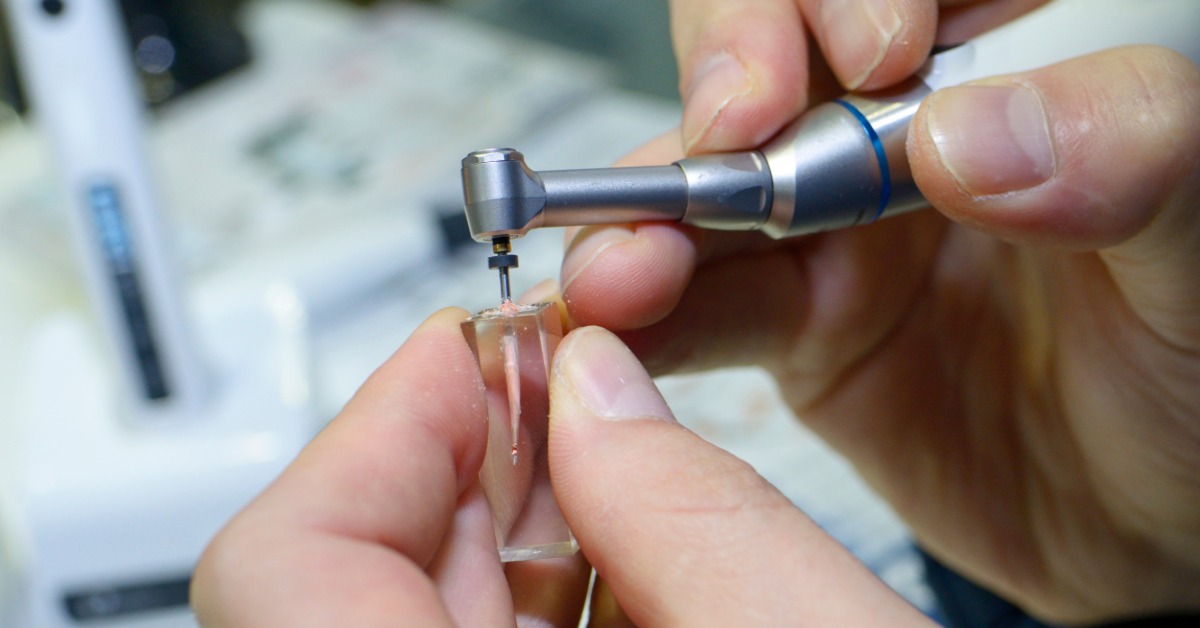
There are a few different types of root canal filling materials an endodontist may use to fill the cleaned space inside a treated tooth. Each has its own strengths, limitations, and ideal uses. It helps to know what options are available to you before you sit down for treatment. While your endodontist will recommend the material they think best protects your tooth over time, you’ll still have input on what gets used.
Gutta Percha: The Standard Root Canal Filling
Gutta percha is the most common material used in root canal treatment. It’s a rubber-like material that comes in small cones your endodontist places into the cleaned canals. They shape and pack those cones so they match the space inside your roots as closely as possible.
This material is safe, stable, and doesn’t react with your body. It doesn’t harden into stone, but it stays firm enough to support the tooth from the inside. Your endodontist uses a thin layer of sealer with it so the filling reaches tiny spaces gutta percha alone can’t reach.
Bioceramic Root Canal Materials
Bioceramic materials are newer ceramic-based products that work well with the body. Your endodontist can use them as a sealer with gutta percha or, in some cases, as a main filling material. They flow into small spaces, then set firm and stable inside the root.
These materials are helpful near the tip of the root where healing matters most. They have good sealing ability and support bone and tissue healing around the end of the tooth. Many endodontists choose them when they want a strong seal and long-term stability.
Resin-Based Root Canal Sealers
Resin-based sealers are plastic-like materials that bond well to the inside of the root. Your endodontist uses them with gutta percha cones so the filling touches as much of the canal wall as possible. That bond helps block spaces where bacteria could hide.
These sealers set into a firm, durable filling. They’ve been used for many years and still work well for many teeth. In some situations, your endodontist may prefer a bioceramic sealer instead, based on how the tooth and roots look on your X-rays.
Temporary Fillings After a Root Canal
Sometimes you’ll have a temporary filling for a short time after your root canal. This material doesn’t sit deep in the roots. It seals the top part of the tooth in the area your dentist or endodontist used to access the canals.
Temporary fillings protect your tooth between visits or while you wait for your final crown. They’re easier to remove and adjust than permanent filling materials. They’re not meant to last long, so your dentist will replace them with a stronger permanent filling or crown once your root canal is complete.
How Do Endodontists Choose the Right Material?

Your endodontist will choose the filling material based on the shape of your roots, the location of the tooth, and how much healthy tooth structure remains. Different materials work better in different situations, so the choice depends on what will give the tooth the best seal and support. The goal is the same every time: keep bacteria out, support the tooth, and improve the chances of long-term comfort.
Patients aren’t expected to know the technical details or choose the material themselves. Still, it’s helpful to understand why a certain option is being used in your case. Asking a few questions can help you feel more informed about the treatment plan, what to expect, and how the recommended material supports healing and durability.
Here are helpful questions to ask about the recommendation:
• What filling material are you recommending for my tooth, and why is it the best fit for my case?
• How well does this material seal the root and protect against future infection?
• Will you use a sealer along with the main filling material, and what kind?
• How long does this combination tend to last in a tooth like mine?
• Are there any known sensitivities or side effects with this material?
• If this tooth ever needs retreatment, how easy is this filling to remove or work through?
• Does my tooth’s location or an existing crown affect which material you use?
• Were other materials considered for my case, and why is this one the best choice?
Next Steps for Your Care
You now know what you need to know about root canal filling materials, so you can walk into your appointment with more confidence and better questions. At Commonwealth Endodontics in the Greater Richmond area, we specialize in diagnosing tooth pain, treating infected teeth, and saving natural teeth with advanced endodontic care.
If you have an aching, infected tooth, we can treat it with a root canal to clear the infection, relieve your pain, and protect your tooth. We can also help with lingering discomfort and swelling after a root canal with procedures like an apicoectomy. If you’ve received a referral from your dentist for one of these treatments, reach out to us and let’s discuss what makes sense for your tooth and your long-term oral health.