
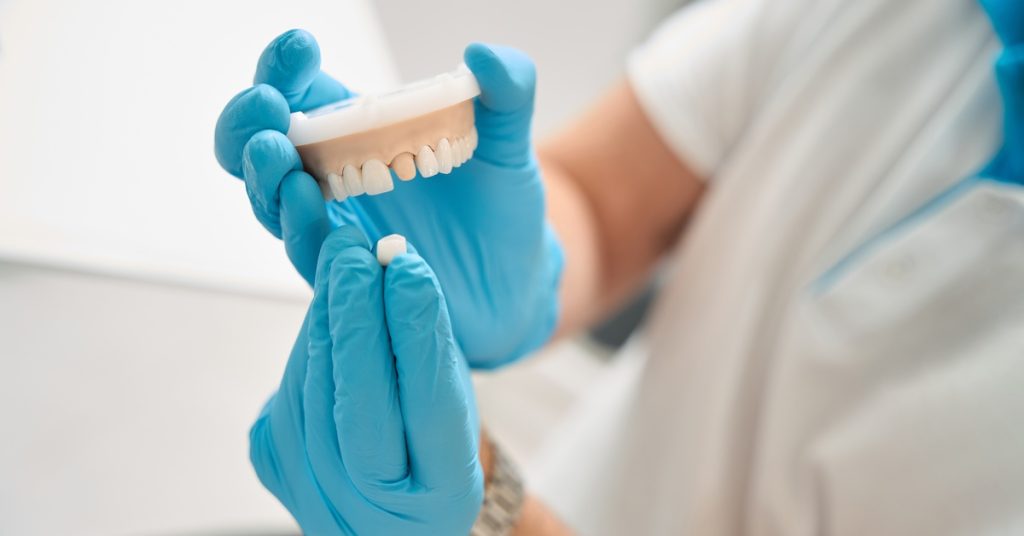
Dental crowns are meant to protect damaged teeth and keep you chewing comfortably, but they don’t last forever. Over time, normal wear, old fillings, or new decay can cause problems around a crowned tooth. When that happens, the crown can stop sealing the tooth the way it should and leave you dealing with pain, sensitivity, or changes in your bite. Knowing the common signs your dental crowns need to be replaced helps you catch trouble early and protect the tooth before it turns into a bigger treatment.
Ongoing Pain or Sensitivity Around the Crown

If a crowned tooth still hurts long after treatment, that crown may not be doing its job anymore. Some mild soreness right after placement is normal, but pain that lingers for weeks or suddenly shows up months later is a concern.
Ongoing discomfort can point to decay under the crown, a crown that no longer fits well, or a problem with the nerve inside the tooth. If you notice this kind of pain, especially if it feels worse over time, schedule a visit so a dental specialist can check what’s going on under the crown.
Visible Cracks, Chips, or Wear on the Crown
If you notice cracks, chips, or flattening on a crown, that crown is breaking down. Everyday chewing, teeth grinding, or biting hard foods can wear away the surface over time. Damage like this exposes the edges of the crown and creates small spaces where bacteria collect. That raises your risk for decay under the crown and infection in the tooth.
You might also feel a rough spot with your tongue or notice your bite feels different. When a crown looks worn or broken in any way, it needs to be replaced.
Crown Feels Loose or Moves When You Bite
A crown should feel solid and stable, almost like a natural tooth. If it starts to feel loose, wobbly, or like it shifts when you bite, something has changed. You might notice food getting stuck around the edges more often or feel the crown lift slightly when you chew sticky foods. That movement lets bacteria and debris slip under the crown and irritate the tooth or gums.
A loose crown sometimes points to worn cement, hidden decay, or damage to the tooth underneath. Once a crown starts to move, replacement becomes an important step to protect the tooth.
Red, Swollen, or Bleeding Gums Around the Crown
Healthy gums around a crown should look pink and feel comfortable. If the tissue near a crowned tooth looks red, puffy, or bleeds when you brush or floss, that area needs attention. Irritated gums often mean the crown edge no longer fits well or traps plaque along the margin. That environment lets bacteria sit right where the tooth and crown meet.
You might notice bad breath, a bad taste, or tenderness when you touch the gums near the crown. Ongoing gum irritation around a crowned tooth is a sign it’s time to talk about replacing that crown.
Dark Line or Discoloration Near the Gumline
A crown that starts to look darker near the gumline needs attention. You might see a dark gray or black line where the crown meets your gum, or the edge of the crown might look yellow or stained compared to the rest of your teeth. That change can come from exposed metal under an older porcelain-fused-to-metal crown or from receding gums that reveal more of the crown margin.
Discoloration in this area can also point to plaque buildup or decay under the crown. When the crown no longer blends in with the rest of your smile, replacement becomes necessary to protect the tooth and improve appearance.
Changes in How Your Teeth Fit Together
If your bite feels different around a crowned tooth, that crown may not fit properly anymore. Teeth that used to meet evenly can start to feel high or off, and chewing on one side can feel heavier than the other. Chewing may feel awkward, or one spot can feel sore after meals.
When a crown is too tall, too short, or worn down, it throws off your bite. That uneven contact puts extra pressure on the crowned tooth and the teeth around it. Over time, this leads to discomfort, clenching, grinding, and even jaw soreness. A changing bite is a sign the crown needs to be checked and often replaced.
Persistent Bad Taste or Odor Around the Crown

A crowned tooth shouldn’t cause ongoing bad taste or odor, especially when you keep up with brushing and flossing. If a specific area around a crown consistently tastes unpleasant or smells off, something is likely happening under that restoration.
Bacteria can collect in tiny gaps between the crown and tooth, especially if the seal has started to fail. That buildup leads to decay, infection, or trapped food that regular cleaning can’t fully reach. When bad breath or taste always seems to come from the same crowned tooth, it may need to be replaced.
Recurrent Cavities or Decay Near the Crown
Cavities that keep showing up around a crowned tooth are a sign the crown needs to be replaced. Decay often starts at the edge where the crown meets the natural tooth. If that margin is worn, lifted, or not sealed well anymore, bacteria slip in and cause damage under the crown. Staining along the edge, dark spots near the gumline, or soft areas when the dentist checks with their instruments all point to a problem.
When decay forms around or under a crown, repair usually means removing the old crown, cleaning out the damaged tooth structure, and placing a new restoration that protects the tooth better.
Next Steps When a Crown Is Failing
When you notice clear signs your dental crowns need to be replaced, listen to what your teeth and gums are telling you. Pain, damage, looseness, or changes around a crowned tooth point to a problem that won’t fix itself. Earlier replacement helps protect the tooth structure, support your bite, and reduce the chances of needing more complex treatment later.
If you’re concerned about problems with a dental crown, your general dentist is the best first point of contact. They can evaluate the crown and determine whether the underlying tooth may need additional care. If root canal treatment or endodontic retreatment is recommended, Commonwealth Endodontics can provide specialized care to help preserve your natural tooth.