

You recently had a root canal. You thought that would be the end of the tooth pain, swelling, or pressure that sent you to the dentist in the first place. But weeks after the procedure, you’re still experiencing symptoms. Is that normal?
While root canal treatments are effective the first time around in most cases, sometimes bacteria can be left behind. When this happens, because the infection remains inside or around the tooth, the surrounding tissue can still cause discomfort during chewing or daily activity.
Patients who are still in pain should visit their endodontist for an exam. The endodontist can examine the tooth and determine the next steps. Typically, for post-root-canal concerns, there are two options: retreatment or extraction. Determining which is right for you starts with understanding what each option means.
What’s Retreatment?

Retreatment is a dental procedure used to reopen a tooth that already had root canal therapy. During retreatment, an endodontist removes the previous root canal filling material, cleans the canals again, and reseals the tooth.
Retreatment addresses bacteria or infected material that remains inside the root canal system. It can help a patient keep the natural tooth when the root and surrounding bone can still support normal function.
Retreatment doesn’t replace the tooth. It treats the inside of the existing tooth again. After retreatment, the tooth may need a new crown so it can handle chewing pressure.
What Happens During Retreatment?
What happens during retreatment? The appointment is quite similar to a standard root canal, except the endodontist first removes the material placed during the earlier treatment. Here’s what you can expect if your endodontist recommends retreatment.
Exam And Imaging
The endodontist starts with an exam and updated dental images. These images help show where the irritation may be coming from. They also check symptoms like pain when biting or swelling along the gumline.
Reopening The Tooth
The endodontist numbs the area before treatment begins. Once the tooth is numb, they creates an opening through the top of the tooth.
If the tooth has a crown, the endodontist may need to work through it. In some cases, part of the old restoration needs to come out before the canals can be reached safely.
Removing Old Root Canal Material
The previous filling material inside the canals is removed. This gives the endodontist access to the canal system again.
Once the old material is removed, they can inspect the inside of the tooth and check for spaces that still need cleaning.
Cleaning And Sealing the Tooth
The endodontist cleans and disinfects the canals. After that, they fill and seal them with new material to help keep bacteria from entering the tooth again.
A temporary filling may be placed until your general dentist restores the tooth. Many retreated teeth need a final crown to protect them during chewing.
What’s Extraction?
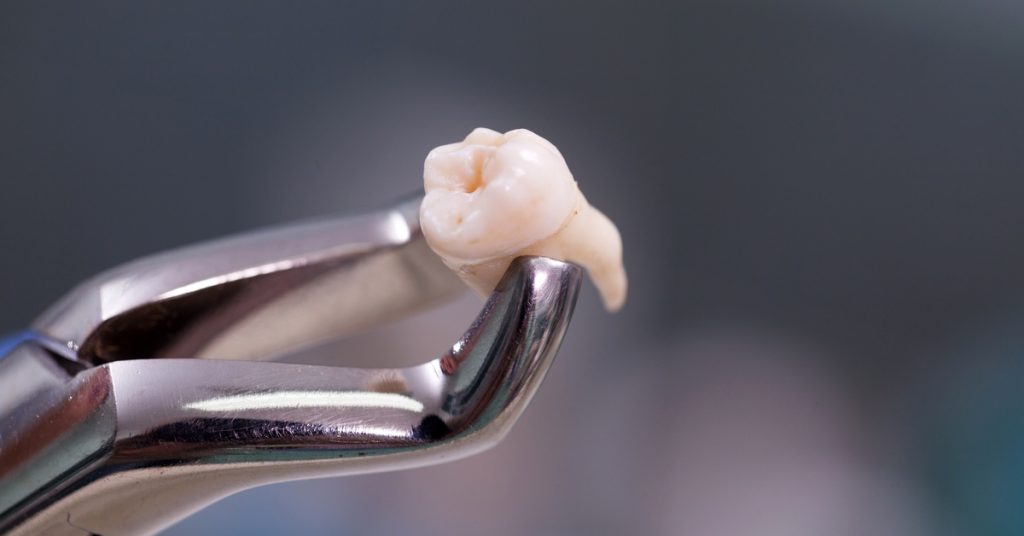
Extraction is the removal of an entire tooth from its socket. A dentist or oral surgeon removes the visible tooth structure and the root.
Extraction removes a tooth that can’t be predictably saved or restored. Once the tooth is removed, the natural tooth is gone. The space may need to be replaced to restore chewing function and keep nearby teeth from shifting.
Extraction can stop symptoms caused by that tooth, but it starts a new dental plan. The patient and dentist need to decide how the space will be handled after healing.
What Happens During Extraction?
What happens during extraction? The appointment focuses on numbing the area, removing the tooth, and helping the socket begin to heal. Here’s what you can expect if your dentist or endodontist recommends extraction.
Exam And Treatment Planning
The dentist reviews the tooth with an exam and dental images. These images help them see the root shape and the bone around the tooth.
They also talk through replacement needs before or after the extraction. Removing a tooth can change chewing comfort and the way nearby teeth meet.
Numbing The Area
The dentist numbs the area around the tooth before removal. You shouldn’t experience sharp pain during the procedure, but you may feel pressure as the dentist loosens the tooth.
If the tooth is badly broken, the dentist may need to section it into smaller pieces before removing it.
Removing The Tooth
The dentist loosens the tooth from the socket and removes it. Some teeth come out in one piece.
Other teeth need to be divided before removal. This can happen when a tooth has curved roots or very little structure above the gumline.
Cleaning And Healing
After removing the tooth, the dentist cleans the socket and places gauze to control bleeding. If an implant is part of the treatment plan, they may also recommend bone grafting to preserve support in the area. Over time, the gum tissue closes over the socket. The dentist will explain replacement options that help keep nearby teeth from drifting into the open space.
Which Is Right for You?
How do you know whether retreatment or extraction is right for you? You’re not expected to make a decision like this on your own. Your endodontist will evaluate the tooth and recommend a treatment plan based on factors ranging from how much healthy tooth remains to whether the root has damage below the gumline. Here are some of the details they look at to guide the recommendation:
• Remaining tooth structure: The tooth needs enough healthy structure above the gumline to support a final filling or crown. If decay or fracture leaves too little structure, the tooth may not hold up under normal chewing pressure.
• Root condition: The endodontist checks for cracks, fractures, unusual root shape, and damage below the gumline. If the root is healthy, retreatment has a higher chance of long-term success. If the root has severe damage or a deep fracture, extraction may be the better option.
• Location of infection: If the infection is limited to an area near the root tip or a canal that wasn’t fully treated the first time, retreatment may still be possible. If the infection is connected to a deep crack in the root, extraction is often the more realistic option.
• Bone support: The bone around the root helps hold the tooth in place. If the bone can heal after the canals are cleaned, retreatment may be appropriate. Severe bone loss can limit long-term stability.
The Better Option
Is retreatment or extraction the right move for your tooth? While there certainly are situations where extraction is the safer and more predictable choice, retreatment is the preferred option in most cases. This procedure has a high success rate ranging between 75 and 85 percent, can save the natural tooth, and can help patients avoid costlier, more invasive treatments such as dental implants or bridges.
If you’ve been experiencing persistent issues after a root canal, it could be that the infection wasn’t fully removed the first time around. This can happen for several reasons, from complex anatomy to bacteria reentering through old dental work. Commonwealth Endodontics handles cases like this every day. We offer retreatment of root canals to help save teeth from extraction. Contact us today if you have any concerns post root canal, and we can determine if you need retreatment.