
Root canals have a high success rate for treating infected or damaged pulp tissue. But sometimes, they’re not enough to fully resolve the issue on their own. In cases where infection persists or complications arise after standard treatment, an endodontist may recommend endodontic microsurgery as a final effort to save a tooth. Here’s what you need to know about endodontic microsurgery and when it may be needed.
What’s Endodontic Microsurgery?

Endodontic microsurgery is a surgical procedure performed at the root level of a tooth. It’s also called an apicoectomy.
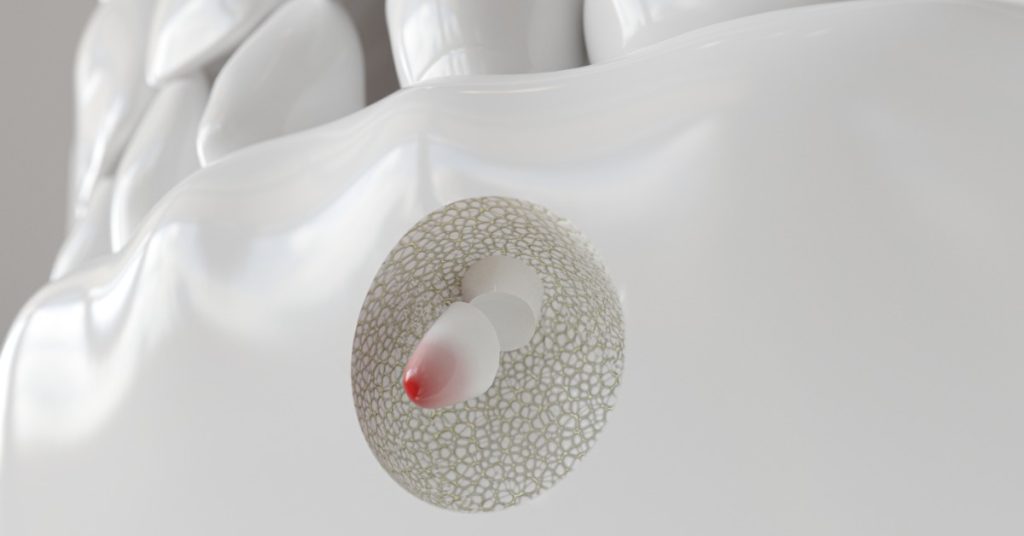
During an apicoectomy, your endodontist makes a small incision in the gum tissue near the affected tooth to access the root tip directly. The very tip of the root, called the apex, is then removed along with any surrounding infected tissue. After that, the end of the root canal is cleaned and sealed with a small filling to prevent further bacterial entry.
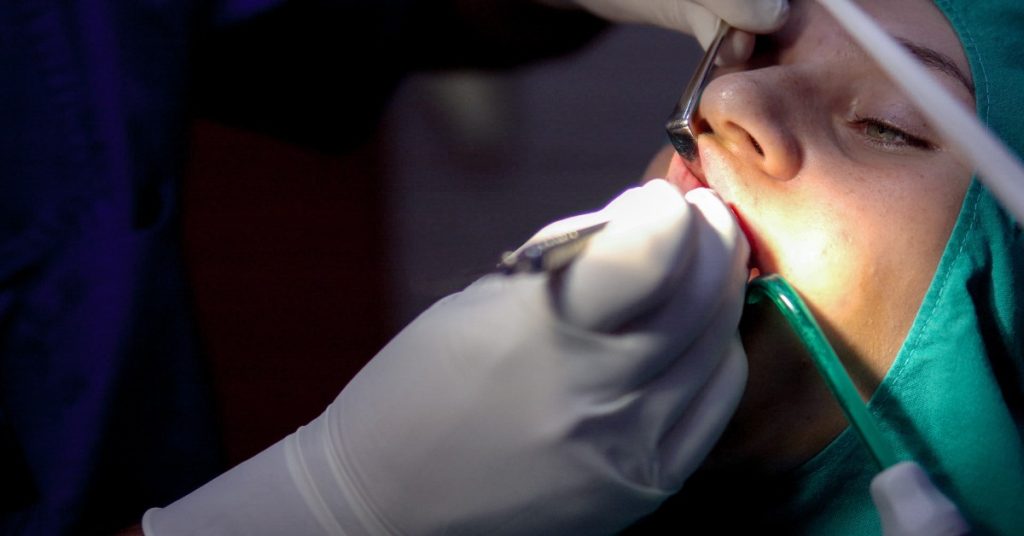
The “microsurgery” part of the name comes from the tools involved. Endodontists use a surgical microscope during the procedure, which magnifies the area. That level of visibility lets them work with precision that isn’t possible with the naked eye. In most cases, the procedure takes one to two hours and is performed under local anesthesia, so you’re numb but awake. You can go home the same day.
When Do Endodontists Recommend It?
Endodontic microsurgery isn’t a first-line treatment. Before your endodontist recommends it, you’ll have gone through at least one root canal, and in many cases a retreatment as well. The procedure becomes a consideration when those options haven’t fully resolved the problem, or when they can’t be safely attempted again.
Your endodontist uses X-rays, symptom history, and a clinical exam to determine whether surgery is the right path. If the tooth can still be saved and the anatomy of the root allows for surgical access, microsurgery is typically the next step.
When You Might Need It
There are several specific situations where endodontic microsurgery becomes the recommended option. In each case, the tooth hasn’t healed the way it should, and a standard root canal or retreatment can’t fully address why.
Persistent Infection After a Root Canal
A root canal removes infected pulp and seals the canal to stop bacteria from re-entering. In most cases, that’s enough for the tooth to heal. But sometimes, infection continues to develop at the tip of the root even after the canal has been treated.
This can happen when bacteria survive in areas the original procedure couldn’t fully reach, or when a small pocket of infection forms in the surrounding bone. You may not feel any pain, but your endodontist will see the problem on an X-ray as a dark shadow near the root tip. That shadow indicates a lesion in the bone, which means the tissue around the root is still responding to an active infection. Surgery lets the endodontist access that area directly, remove the infected tissue, and seal the root from the outside.
A Root Canal That Can’t Be Retreated
Sometimes, a root canal has been treated once but the issue returns, and a retreatment would normally be the next step. The problem is that retreatment requires reopening the canal from the top of the tooth, which isn’t always possible.
If the tooth has a crown with a post built into the root to hold it in place, removing that post to reopen the canal carries a real risk of cracking or fracturing the root. At that point, the risk of destroying the tooth during retreatment is higher than the risk of leaving the existing work in place and approaching the problem surgically instead.
A Canal That Couldn’t Be Fully Cleaned
Root canals aren’t perfectly straight. Some teeth have roots that curve sharply or branch into smaller canals that split off from the main one. Standard endodontic instruments are designed to follow the canal from the crown of the tooth down, but they can’t always reach around a sharp curve or into a very narrow side branch.
When a portion of the canal goes untreated because of anatomy, bacteria can survive in that section and cause ongoing infection. Surgery allows the endodontist to bypass the canal entirely and address the problem from the tip of the root instead.
A Root Fracture or Perforation
Tiny cracks in the root don’t always show up clearly on X-rays, and they can be the source of an infection that doesn’t respond to standard treatment. The same goes for a perforation, which is a small opening in the root wall that can form either during a procedure or as a result of decay over time.
Both of these issues allow bacteria to enter the tissue surrounding the root. When the crack or perforation is located near the root tip, surgery gives the endodontist access to identify the problem, seal the area, and remove any infected tissue that has built up around it.
Calcified Canals
As people age, teeth sometimes develop extra layers of dentin inside the root canal, slowly narrowing the space over time. In some cases, the canal becomes so narrow that standard instruments can’t pass through it at all.
If the pulp tissue in a heavily calcified canal becomes infected, a traditional root canal isn’t anoption. Surgery lets the endodontist reach the root tip without needing to navigate the canal from the crown, which makes it possible to treat the infection even when the canal itself is inaccessible.
A Cyst or Lesion That Isn’t Resolving
Sometimes a root canal is completed successfully, but a cyst forms in the bone around the root tip and doesn’t shrink on its own. These cysts develop when the body walls off an area of chronic infection, and once the cyst wall is established, it doesn’t always break down even after the source of the infection has been removed.
If imaging shows a lesion that has stayed the same size or grown after a root canal, that’s a sign it won’t resolve without direct intervention. Microsurgery gives the endodontist access to remove the cyst wall along with any remaining infected tissue, which the body can’t do on its own.
A Procedure That Exists for a Reason
In most cases, a root canal will be enough to resolve the infection and preserve the tooth. If not, a retreatment typically addresses whatever the first procedure couldn’t. Endodontic microsurgery, for this reason, is only needed in very specific situations. But it’s a valuable option that can save a tooth when all other treatments are unable to.
At Commonwealth Endodontics, we perform root canals and root canal retreatments. We also offer apicoectomy procedures when they’re necessary. If you’ve been referred by a dentist for endodontic care, reach out to our friendly, professional team and we can set up an appointment or answer any questions you might have.