

Have you been referred to an endodontist for a root canal and are curious what the difference is between them and your general dentist? Here’s what sets an endodontist apart and why your dentist may send you to one when a problem reaches the pulp or root of your tooth.
Extra Years of Specialized Training
General dentists finish dental school and can start practicing right away. Endodontists complete an additional two to three years of residency focused entirely on the dental pulp, root canals, and the tissues surrounding the root tip. During that residency, they perform hundreds of root canal procedures under supervision before ever treating a patient on their own. A general dentist might perform a handful of root canals a month. An endodontist performs several a day.
A Narrower, Deeper Focus
General dentists handle a wide range of care: cleanings, fillings, crowns, extractions, and more. Endodontists don’t split their attention across that many procedures. Their practice centers on root canals, retreatments, and traumatic tooth injuries. That narrower scope means they see far more complex or unusual root canal cases than a general dentist typically will in an entire career.
Diagnosing the Source of Tooth Pain
Tooth pain doesn’t always point to an obvious cause. Sometimes it’s a cracked tooth that doesn’t show up on a standard X-ray. Sometimes it’s referred pain from a different tooth entirely. Endodontists are trained to trace pain back to its actual source inside the tooth, even when the cause isn’t visible on a basic exam. That diagnostic skill is one of the biggest reasons general dentists refer patients out in the first place.
Access to 3D Imaging Technology
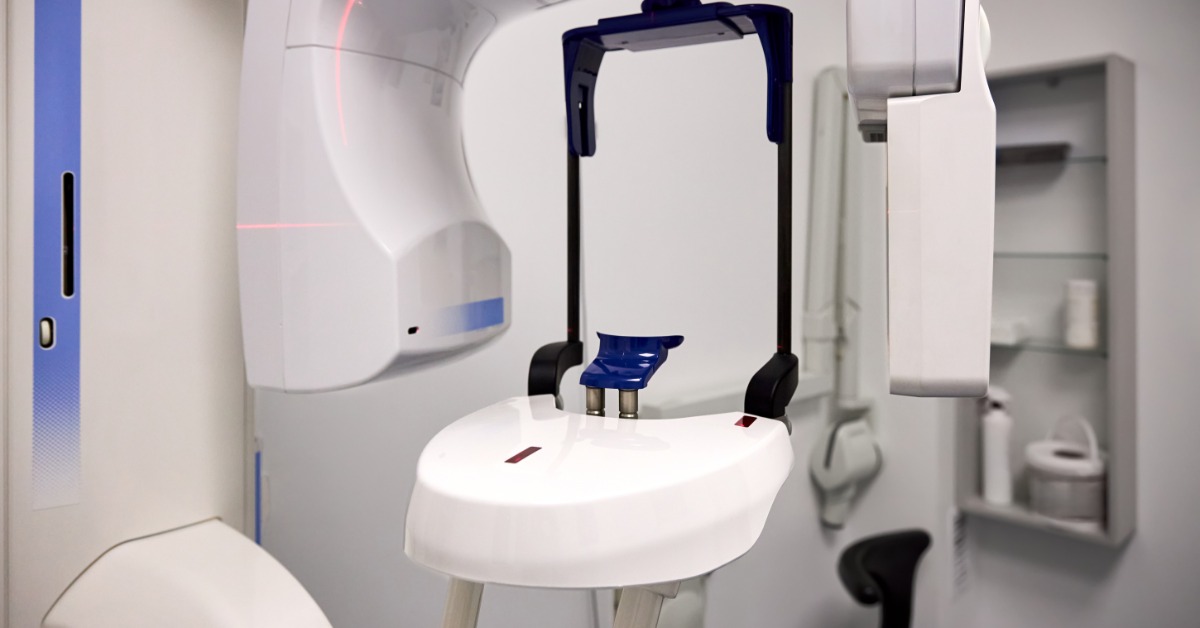
Many endodontists use cone beam computed tomography, or CBCT, which creates a 3D image of the tooth and surrounding bone. A standard 2D X-ray can miss extra canals, unusual root shapes, or small fractures. CBCT shows those details clearly, which lets the endodontist plan treatment around the tooth’s actual anatomy instead of guessing based on a flat image.
Operating Microscopes During Treatment
Root canal systems inside a tooth can branch, curve, or narrow in ways that are hard to see with the naked eye. Endodontists typically use surgical microscopes during treatment, magnifying the canal system so they can locate and clean canals a general dentist might miss without that equipment. Missed canals are one of the leading reasons root canals fail down the road.
Handling Retreatments and Failed Root Canals
Sometimes a root canal doesn’t heal the way it should, whether from a missed canal, a new infection, or a cracked filling. Retreating a tooth that’s already been through a root canal is more complicated than treating it the first time, since old filling material has to be removed and the canal system needs to be checked again for anything that was missed. Endodontists handle this type of case regularly, while general dentists usually refer retreatments out.
Performing Apicoectomies When Needed
If a root canal fails and retreatment isn’t enough to resolve the infection, the next option is often an apicoectomy, a small surgical procedure that removes the tip of the tooth root along with any infected tissue around it. This procedure requires surgical training most general dentists don’t have. Endodontists perform apicoectomies regularly and have the surgical background to manage complications if they come up.
Treating Traumatic Dental Injuries
A knocked-out or seriously injured tooth needs fast, specific care to have any chance of being saved. Endodontists are trained to handle these emergencies, from re-implanting a knocked-out tooth to treating a fractured root. General dentists can provide first-response care, but they’ll typically refer the case to an endodontist for the follow-up treatment that gives the tooth its best chance of survival.
Managing Complex Canal Anatomy
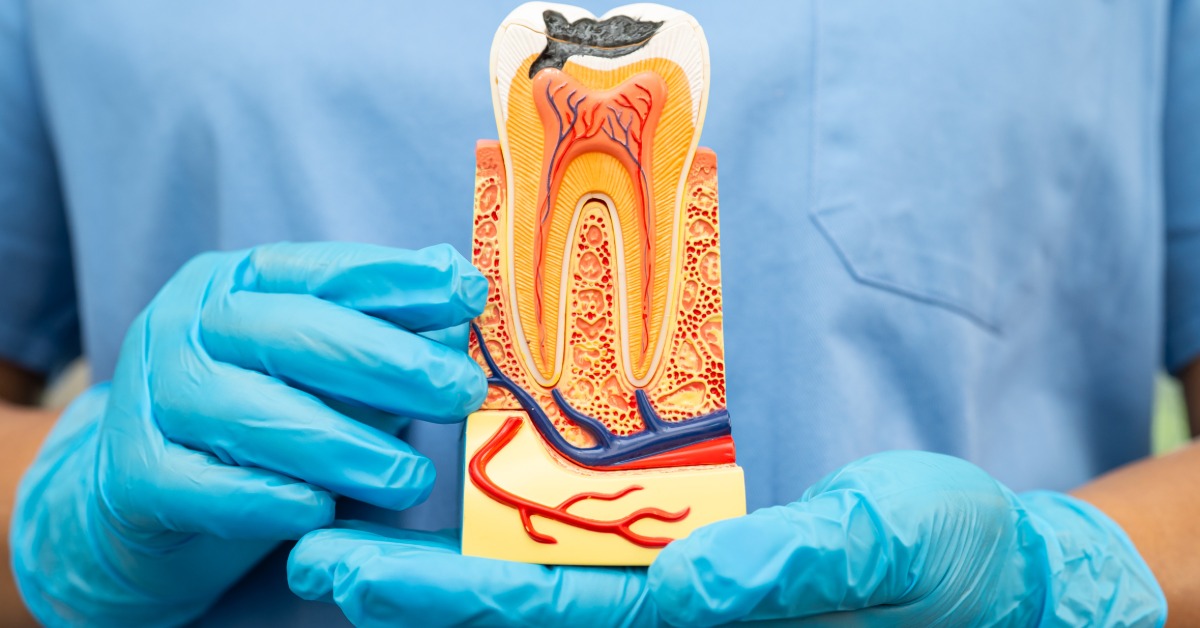
Some teeth have root canal systems that curve sharply, split into extra branches, or narrow to a point that’s difficult to reach with standard instruments. Molars in particular often have three or four canals instead of one, and some of those canals can be nearly invisible without magnification. Endodontists are trained specifically to locate and treat this kind of anatomy, which is part of why they handle the cases general dentists consider too complicated.
Using Rotary and Ultrasonic Instruments
Endodontists use specialized instruments, including rotary files that clean and shape canals more precisely than hand files, and ultrasonic tips that remove old filling material or broken instruments from inside the tooth. These tools take specific training to use safely, since the canal walls are thin and can be damaged by the wrong technique.
Managing Pain During and After Treatment
A common worry about root canals is pain, both during the procedure and after. Endodontists administer local anesthesia with techniques adjusted for teeth that are already inflamed or infected, since inflamed tissue doesn’t always respond to anesthesia the same way healthy tissue does. They also have more experience predicting which cases will need additional numbing methods before starting. Post-procedure, patients treated by an endodontist tend to report less lingering discomfort, largely because the canal system was cleaned more thoroughly the first time around.
Continuing Education Focused Entirely on Endodontics
Dental education doesn’t stop after residency. General dentists keep up with continuing education across every area of their practice, from orthodontics to oral surgery to periodontics. Endodontists direct their continuing education toward one field. New techniques for canal shaping, updated materials for filling treated canals, and research on infection control inside the tooth all fall inside their ongoing training. That keeps their methods current with whatever the specialty has recently changed or improved.
Higher Success Rates on Complicated Cases
Because endodontists treat root canals all day, every day, their success rates on complicated cases tend to be higher than a general dentist handling an occasional root canal. That’s not a knock on general dentists. It’s simply a matter of repetition, specialized tools, and training that’s built entirely around this one area of dentistry.
When You Need an Endodontist
Endodontists are different from general dentists. Whereas your general dentist handles routine dental care and many common tooth problems, endodontists specialize in diseases and injuries that affect the pulp and roots of your teeth. You go see them when a tooth needs specialized care inside the root canal system.
Commonwealth Endodontics is a team of endodontists in Virginia. If you need a root canal or retreatment and have been referred by your general dentist, contact us today to see what care your tooth needs next.