When you need dental treatment, the thought of sedation can bring up a whole new set of questions. You may already know you want help staying comfortable, but now you’re trying to sort out what kind of help actually fits your situation.
Is conscious or unconscious sedation dentistry best for you? The answer depends on your comfort level, your health history, and the kind of care you need. Once you understand the difference between the two, it gets a lot easier to talk through your options and feel more confident about the next step.
What’s Conscious Sedation?
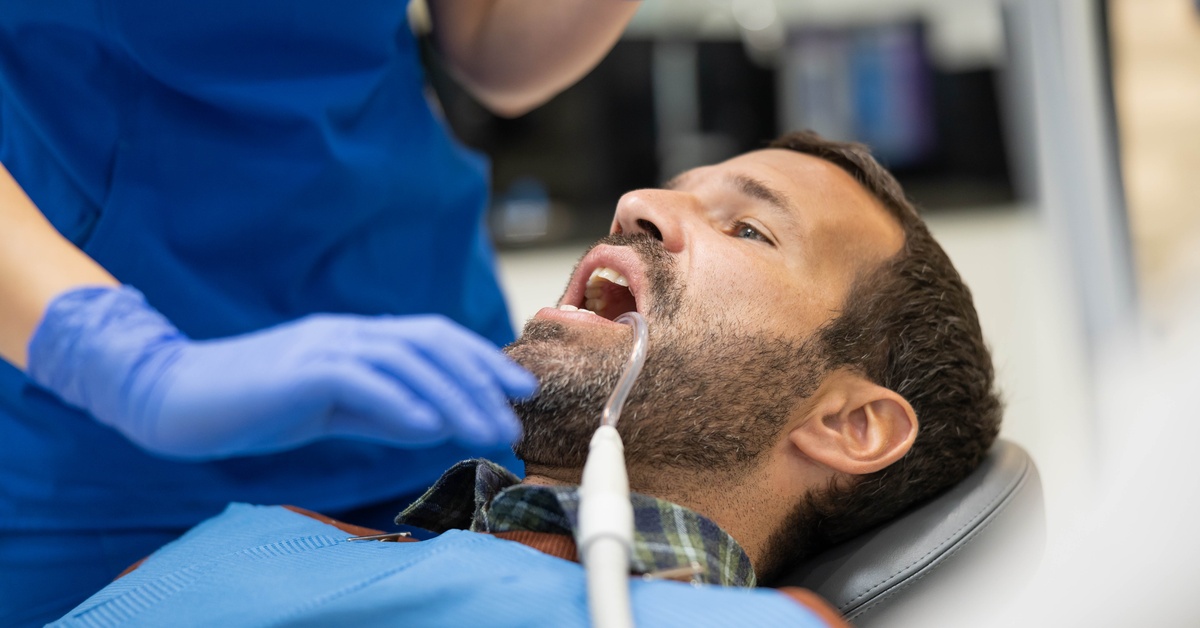
Conscious sedation helps you stay relaxed during dental treatment without putting you fully to sleep. You’re still able to breathe on your own, respond to simple instructions, and let the dental team know if you need something. Depending on the method used, you may feel drowsy, calm, and less aware of the procedure as it happens.
For a lot of people, this option works well because it takes the edge off without the deeper recovery that comes with general anesthesia. It’s often a good fit if you feel nervous in the chair, have trouble sitting through a longer visit, or need help staying comfortable during treatment. You may remember some of the appointment, or only parts of it.
Pros
- Helps reduce fear and anxiety
- Lets you stay awake but deeply relaxed
- Often involves less recovery time
- Can make longer visits feel easier to get through
Cons
- You may still have some awareness of the procedure
- It may not feel like enough for severe dental anxiety
- Some forms can leave you groggy for several hours
- You may need someone to drive you home, depending on the type used
What’s Unconscious Sedation?

Unconscious sedation puts you into a sleep-like state during dental treatment, so you won’t be awake or aware of the procedure in the usual way. This is commonly done with general anesthesia. Your care team monitors your breathing, heart rate, oxygen levels, and other vital signs throughout the appointment to keep you safe and stable.
This option can make sense for patients with extreme dental fear, certain medical or behavioral needs, or treatment situations where staying fully asleep is the best way to complete the procedure. You won’t be able to respond the same way you would under conscious sedation, and you’ll need more time to recover afterward. Because it’s deeper sedation, it also requires more preparation before treatment and closer monitoring during and after the appointment.
Pros
- Prevents awareness of the procedure
- Can help patients with severe anxiety or strong gag reflexes
- May be the best choice for complex or lengthy treatment
- Allows the team to work without interruption in some cases
Cons
- Requires more recovery time
- Carries greater medical risk than lighter sedation methods
- Usually involves more preparation and monitoring
What’s Best for Me?
The right type of sedation depends on your anxiety level, your health history, the procedure you’re having, and how aware you want to be during treatment. Some people want to stay awake and relaxed. Others want no memory of the appointment at all. That decision should come from a clear conversation with your dental team, not guesswork.
How Nervous Am I About Dental Treatment?
Your anxiety level is one of the first things to consider. If you feel uneasy before an appointment but can still sit through treatment, conscious sedation may be enough to help you stay calm. It can take the edge off without putting you fully asleep, which is often a good middle ground for people who want relief but still want some awareness.
If your fear feels intense, that changes the conversation. Some people cancel appointments, lose sleep the night before treatment, or feel panicked as soon as they sit in the chair. In that situation, lighter sedation may not be enough. A deeper option may be more appropriate because the goal isn’t just comfort, but getting the treatment done safely and without unnecessary distress.
How Complex Is My Treatment?
The procedure itself has a major role in the decision. A shorter visit or a simpler treatment may not require the deepest level of sedation. In many cases, a patient can do very well with local anesthesia plus conscious sedation, especially when the treatment is straightforward and the patient’s anxiety is manageable.
Longer or more involved procedures can create a different situation. The more time you need to stay still, keep your mouth open, and tolerate pressure or fatigue, the more sedation can help. This is especially important when treatment is technically detailed or physically tiring. Sometimes the best sedation choice is the one that allows the dentist or endodontist to work efficiently while keeping you comfortable from start to finish.
How Does My Medical History Affect My Options?
Your health history is one of the most important parts of this decision. Breathing conditions, heart concerns, sleep apnea, medications, allergies, and past reactions to anesthesia can all affect which sedation methods are appropriate. That’s why sedation planning should never be based on preference alone.
A method that sounds appealing may not be the safest choice for your situation. On the other hand, a patient may assume deeper sedation is off the table when it could still be an option with the right evaluation and monitoring. The details matter here. A careful review of your health history helps narrow the choice to what’s both comfortable and medically appropriate.
How Much Recovery Time Can I Handle?
Some forms of conscious sedation wear off relatively quickly, while deeper sedation usually requires more downtime afterward. You may feel sleepy, groggy, or slower to bounce back, and you’ll need to plan around that.
That can affect your choice in a practical way. If you have work, childcare responsibilities, or a tight schedule, a shorter recovery may matter to you. If your top priority is getting through treatment with as little awareness as possible, you may be willing to accept a longer recovery period.
What Kind of Support Will I Have After the Appointment?
It’s also smart to think about what happens once treatment is over. Some sedation options require you to have someone drive you home and stay with you for a period afterward. That’s easy for some patients to arrange and difficult for others.
This doesn’t mean convenience should outweigh comfort or safety, but it does matter. A sedation plan has to work in real life. If one option requires more support than you can easily arrange, that needs to be part of the conversation before the appointment is scheduled.
When Comfort Matters Most
There’s no single sedation option that works best for every patient. Some people feel better staying awake and relaxed, while others feel more comfortable being fully asleep during treatment. If you’re still wondering if conscious or unconscious sedation dentistry is best for you, the answer comes down to your anxiety level, your health history, and the type of procedure you need.
If you need dental work and want real peace of mind when it comes to the level of sedation used during treatment, reach out to Commonwealth Endodontics today. We’re a team of endodontic specialists that perform root canals and other advanced endodontic procedures. We offer both conscious and unconscious sedation endodontics depending on the procedure and your personal preference, so you can get the care you need in a way that’s most comfortable for you.