
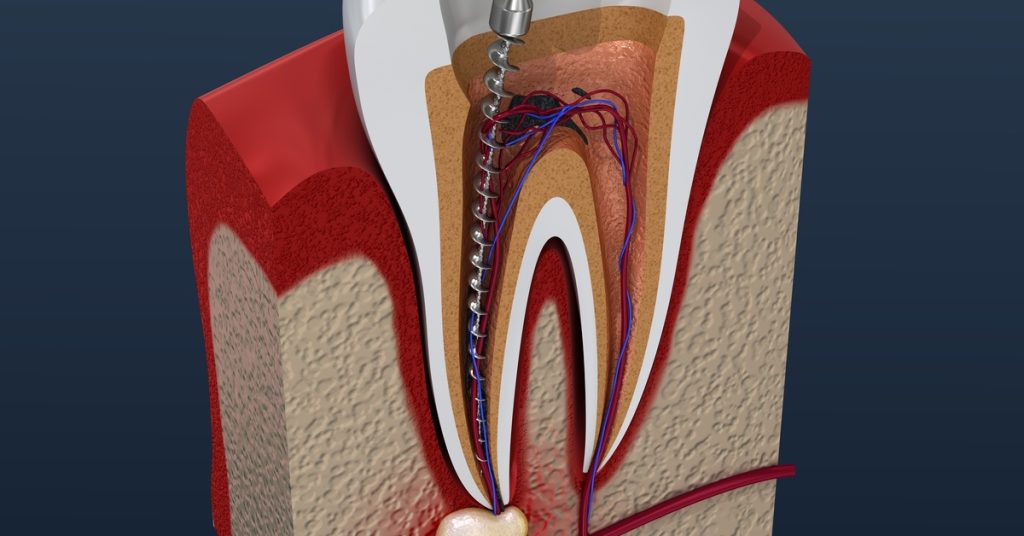
When a tooth is infected, the clock starts ticking. The longer the infection sits, the more damage it can do to the surrounding tissue and bone. One procedure that can potentially save a damaged tooth from extraction is the root canal. If you’re curious how a root canal works to remove the infection and restore the tooth’s function, here’s a breakdown.
What’s a Root Canal?
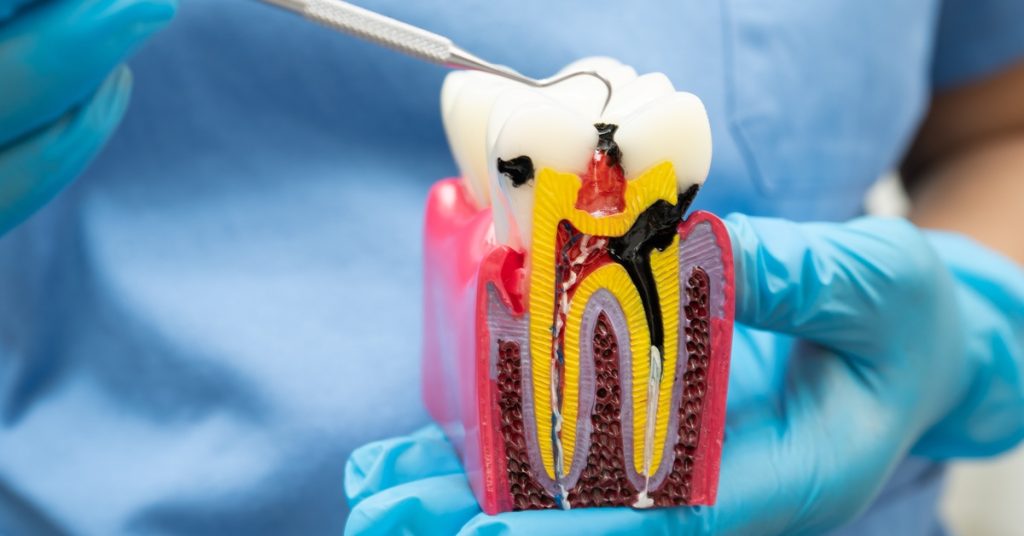
Inside every tooth, beneath the hard outer enamel, there’s a soft layer called the pulp. The pulp contains nerves and blood vessels that helped the tooth grow and develop. Once a tooth is fully formed, it no longer needs the pulp to survive because the surrounding tissue keeps it nourished.
A root canal is the procedure that removes the pulp when it becomes infected or inflamed. The canals themselves are the narrow passages running from the pulp chamber down through each root. During treatment, those passages get cleaned out, shaped, and sealed so bacteria can’t move back in.
When a Root Canal Becomes Necessary
There are certain signs that point to infection or damage deep inside the tooth. If you notice any of the following, schedule an appointment with your dentist as soon as you can:
- Persistent pain that doesn’t go away, even between meals or at night
- Sharp sensitivity to hot or cold that lingers after the source is removed
- A small bump on the gum near the painful tooth
- Tooth discoloration that wasn’t there before
- Swelling or tenderness in the gum tissue around one tooth
- Pain when you press on the tooth or bite down
Some people experience a few of these symptoms at once. Others only notice one. Either way, these are signals that something is happening inside the tooth that your dentist needs to evaluate. In some cases, there are no symptoms at all, and an X-ray picks up the infection before it gets worse.
How Root Canal Therapy Saves Your Natural Tooth
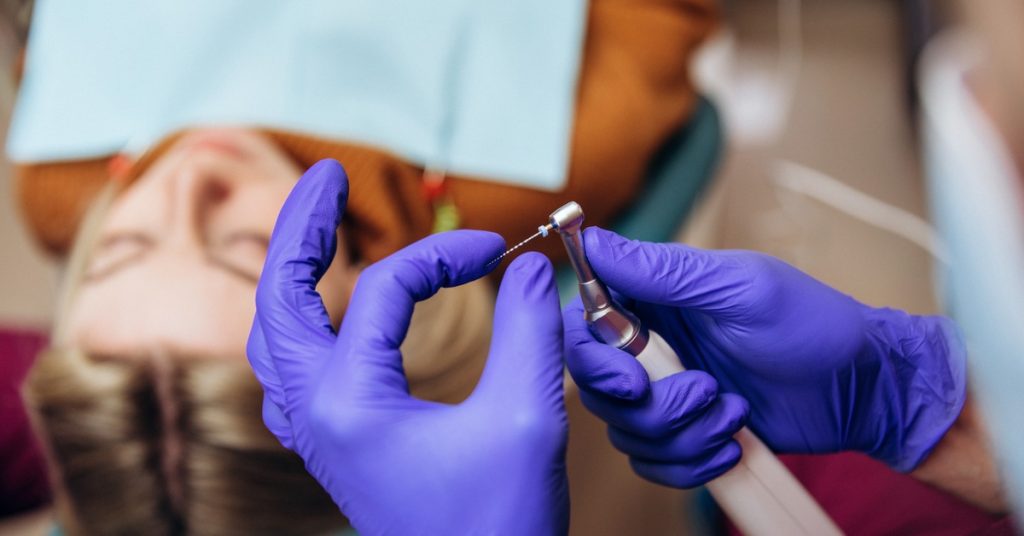
Root canal therapy works by removing the source of the infection while keeping the physical structure of the tooth intact. Here’s how that process unfolds.
Getting a Look at What’s Inside
Before any treatment begins, your dentist or endodontist takes X-rays of the affected tooth. These images show the shape of the root canals and whether infection has spread into the surrounding bone. That information drives the entire treatment plan, so there’s no skipping this step.
Numbing the Area
Local anesthesia is given before the procedure starts. This is where a lot of patients are pleasantly surprised. Root canals have a reputation for being painful, but the anesthesia numbs the tooth and surrounding tissue so thoroughly that most people feel pressure rather than pain. The procedure itself isn’t the source of the discomfort people associate with it; the infection is.
Opening the Tooth
Once the area is numb, your endodontist creates a small opening through the top of the tooth. This gives direct access to the pulp chamber and the root canals beneath it. The opening is precise and kept as small as possible.
Removing the Infected Pulp
Through that opening, the infected or inflamed pulp is removed entirely. Specialized instruments clean out each root canal from the inside, and the canals are shaped so they can be sealed properly later. Irrigation is used throughout this part of the process to flush out bacteria and debris. The goal is a fully clean canal from the opening down to the tip of the root.
Sealing the Canals
After cleaning, the empty canals are filled with a biocompatible material called gutta-percha. It seals the canals to prevent bacteria from re-entering. A temporary or permanent filling is placed in the opening made earlier to close off the top of the tooth.
Restoring the Tooth
A root canal-treated tooth typically needs a crown placed over it. The procedure weakens the tooth somewhat because the internal tissue is gone and the opening created during treatment affects the structure. A crown protects the tooth from fracturing under the pressure of everyday biting and chewing. Without it, a tooth that survived the infection could still crack later.
Why the Tooth Can Still Function
After treatment and restoration, a root canal-treated tooth functions the same way a natural tooth does. You can chew on it, brush it, and forget about it. The nerve is gone, so you won’t feel temperature changes in that tooth the way you would in surrounding teeth, but that doesn’t affect how it works.
What root canal therapy preserves is the root itself. The root stays anchored in the jawbone, which keeps the bone in that area from breaking down over time. When a tooth is extracted and not replaced, the bone beneath it can deteriorate. Keeping your natural tooth in place avoids that entirely.
When a Root Canal Isn’t an Option
Root canal therapy works in a wide range of situations, but there are cases where it isn’t viable. If a tooth is fractured below the gum line, the structural damage is too extensive to restore even after the infection is cleared. A tooth that has lost too much bone support from advanced gum disease may also be beyond what a root canal can address on its own.
Your dentist or endodontist will tell you directly if a tooth can be saved. If extraction is the only path forward, there are replacement options that preserve the bone and restore function. But in most cases where a patient comes in early enough, the tooth is still a candidate for treatment. That’s the part timing plays: the sooner the infection is caught, the more options you have.
Your Natural Tooth Is Worth Protecting
Timely root canal treatment can save a natural tooth that would otherwise need to be extracted. If you’re experiencing pain, swelling, or sensitivity that points to a deeper infection, contact your local dentist right away. They can examine the tooth and refer you to an endodontist for specialized care if the pulp is involved.
At Commonwealth Endodontics, we specialize in root canal therapy in central Virginia. If you have a referral from your dentist or an urgent situation, get in touch with our team and we can map out a plan to address the infection and protect your tooth.