
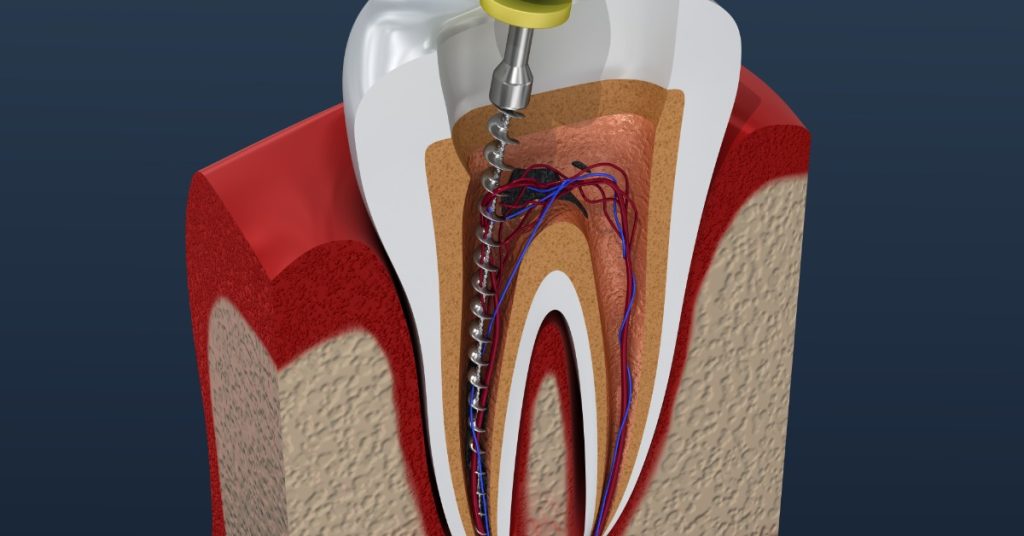
Sometimes, when a tooth becomes badly decayed or infected, root canal treatment becomes necessary to save it. The procedure treats the problem inside the tooth while preserving the healthy structure around it. If you’re curious how a root canal can prevent tooth loss and why your dentist may recommend one instead of an extraction, here’s what you need to know.
It Removes Infection Before It Spreads
A tooth’s pulp holds nerves and blood vessels, and once bacteria reach that inner chamber, the infection doesn’t stay contained. Left alone, it can spread down through the root and into the bone surrounding the tooth.
During treatment, your endodontist removes the infected pulp tissue directly, cutting off the source of the problem rather than just managing symptoms around it. This is the step that separates root canal treatment from something like a temporary filling or antibiotics alone, neither of which addresses infected tissue sitting inside the tooth itself.
It Cleans Out the Root Canal System
Teeth aren’t hollow in a simple, single-chamber way. Root canals branch out in small, irregular pathways that bacteria can hide in, and some teeth have more of these branches than others depending on their location in the mouth. Molars, for example, typically have three or four canals, while front teeth usually have just one. Specialized instruments clean and shape each canal individually so nothing infected is left behind in a side branch or narrow passage.
It Seals the Tooth Against Reinfection
Once the canals are cleaned and shaped, they get filled with a biocompatible material called gutta-percha and sealed with an adhesive cement. This combination blocks bacteria from working their way back into the tooth through the root. Without that seal, even a well-cleaned canal would stay vulnerable to a repeat infection months or years down the line.
It Relieves the Pain Caused by Pulp Damage

Infected or inflamed pulp is often what causes the sharp, persistent tooth pain that sends people in for an emergency visit in the first place. That pain tends to get worse with hot or cold temperatures, or when biting down, because the nerve inside the tooth is directly irritated. Once the damaged tissue is removed, the source of that pain goes with it. Most patients feel noticeably better within a day or two of treatment, once the initial post-procedure soreness from the appointment itself fades.
It Stops Bone Loss Around the Tooth Root
Untreated infection at the root tip can eat away at the surrounding jawbone, forming what’s called an abscess. That bone loss doesn’t reverse on its own, and an abscess can grow large enough to affect neighboring teeth or require additional surgical drainage. Removing the infection early, through root canal treatment, gives the bone a chance to heal and rebuild instead of continuing to break down around an untreated tooth.
It Lets You Keep Your Natural Tooth Structure
Extraction removes the problem, but it also removes a tooth your body will never replace on its own. Root canal treatment takes a different approach: it removes only the infected pulp while keeping the outer tooth structure, root, and surrounding bone attachment intact. Keeping that natural root also means your jawbone continues receiving the stimulation it gets from chewing pressure, which helps maintain bone density around the tooth over the years.
It Prevents Neighboring Teeth From Shifting
When a tooth is pulled and not replaced, the teeth next to it don’t stay put. They can drift into the open space over time, tilting toward the gap and throwing off your bite in ways that are hard to reverse later. A missing lower tooth, for instance, can allow the opposing upper tooth to shift downward looking for something to bite against. Saving the natural tooth through root canal treatment keeps that space occupied and gives the surrounding teeth less room to shift.
It Preserves Your Bite Alignment
Every tooth affects how your upper and lower jaw meet when you bite down. Lose one, and the surrounding teeth can tilt toward the open space or move farther out of position. A missing lower tooth, for example, may allow the opposing upper tooth to shift downward because there’s no longer a tooth beneath it. These changes can alter how pressure spreads across your bite and may contribute to jaw discomfort over time. Keeping your natural tooth in place preserves the alignment your bite already has.
It Reduces the Need for Bigger Restorative Work Later
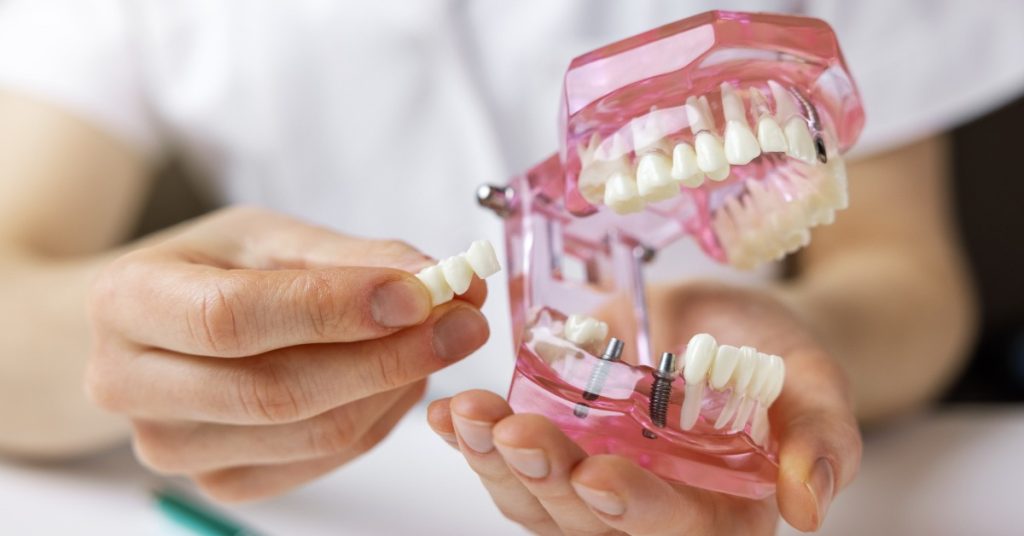
An extracted tooth almost always needs to be replaced with an implant, bridge, or partial denture to prevent the complications above. Those options take more appointments, cost more overall, and involve more of your mouth than treating and keeping the original tooth would have. An implant alone can take several months from placement to completion. Saving the natural tooth can spare you from needing a separate tooth-replacement process afterward.
It Works With a High Success Rate
Modern root canal treatment isn’t a last resort with uncertain odds. It’s a well-established procedure performed millions of times each year in the United States, with most treated teeth lasting the rest of a patient’s life when the tooth is properly restored afterward with a crown or filling. Advances in imaging and instrumentation have also made the procedure more precise than it was even a decade ago.
It Can Save Teeth Even After a Failed Prior Treatment
Sometimes a tooth that already had root canal treatment develops a new problem, whether from new decay, a cracked filling, or bacteria that found their way past the original seal. In these cases, a retreatment can clean out the canal system again, address the new source of infection, and reseal the tooth. This gives the tooth another chance at long-term survival before extraction becomes the only remaining option.
Save Your Natural Tooth When Possible
Root canal therapy can prevent tooth loss when infection or inflammation affects the pulp but the tooth still has enough healthy structure to preserve. It’s an effective procedure, with a reported success rate as high as 95%.
At Commonwealth Endodontics, we provide root canal treatment for patients who need endodontic care. Our experienced specialists will evaluate your tooth and determine whether treatment can save it. If you’ve been referred for a root canal or have symptoms that need evaluation, contact us today to schedule an appointment.