
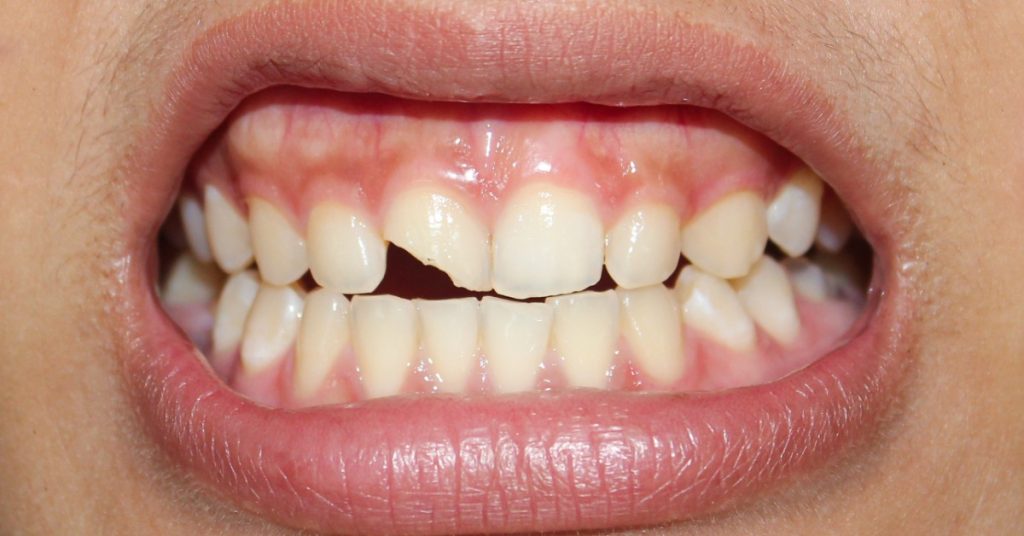
Traumatic dental injuries, like a cracked tooth or a tooth that’s been knocked out, happen. And when they happen, it’s imperative that they’re treated quickly to prevent further damage and protect the natural tooth. If you’re curious how traumatic dental injuries are treated, here’s what you need to know about the process from the first dental visit through follow-up care.
The First Few Minutes After Impact
The first sixty minutes after a dental injury decide a lot about how the tooth heals. When you call an emergency dentist after an accident, they ask what tooth was hit, whether it moved, and whether it’s still in your mouth. That information tells them what to prepare before you arrive.
Once you’re in the chair, the dentist checks the tooth’s position and tests it for looseness, then takes an X-ray to see whether the root or surrounding bone took damage too. This first exam sets the plan for everything that follows, since a knocked-out tooth gets handled differently than a cracked one.
Handling A Knocked-Out Tooth
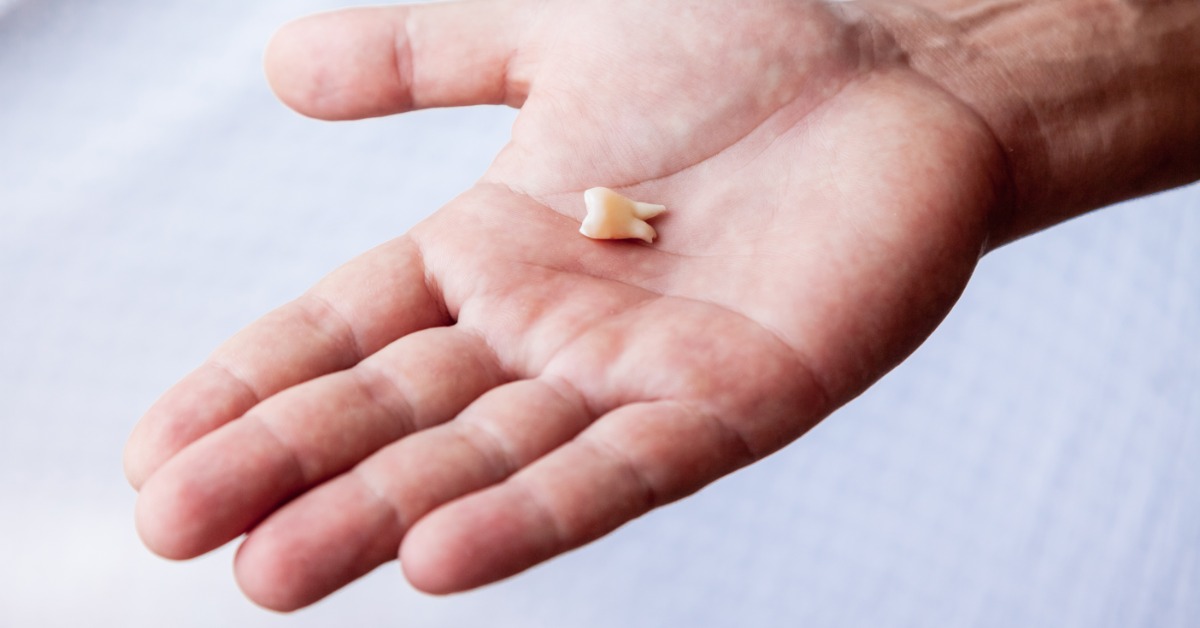
A tooth that’s been knocked out entirely, known as an avulsion, has the shortest treatment window of any dental injury. If the tooth gets reinserted into its socket within thirty minutes, the odds of it reattaching to the bone go up sharply. The dentist rinses the tooth without scrubbing the root and places it back into the socket. After that, they check your bite and splint the tooth to the ones next to it.
If too much time passed before you got to the office, the cells on the root may no longer be healthy enough to reattach normally. The dentist can still reinsert the tooth, but its long-term outlook may be different.
Treating A Cracked or Fractured Tooth
Cracks range from a small chip in the enamel to a fracture that opens up the nerve inside the tooth. The dentist numbs the area and looks at how deep the crack runs, since a shallow chip only needs smoothing and a small filling, while a deeper fracture exposes the pulp and needs more than a patch.
When the nerve is exposed, the dentist places a protective covering over it to calm inflammation and give the nerve time to settle before deciding whether the tooth needs a crown or a root canal. Waiting even a day can let bacteria reach the nerve through the crack.
Stabilizing A Loose or Displaced Tooth
When a tooth gets pushed out of its normal position, whether it’s tilted forward or driven up into the bone, the dentist has to reposition it before anything else happens. Using gentle, controlled pressure, they guide the tooth back into alignment with the rest of the arch. This step happens under local anesthesia so you don’t feel the movement.
Once the tooth sits where it should, the dentist checks your bite to confirm the alignment matches your other teeth. Leaving a displaced tooth untreated puts constant pressure on the ligament that holds it in place, which speeds up nerve damage.
Splinting Adjacent Teeth for Support
After a knocked-out or displaced tooth gets put back into position, it needs support to stay in place while the ligament reattaches to the bone. The dentist bonds a thin wire or flexible splint across the injured tooth and the healthy teeth on each side, holding everything still for one to two weeks.
This gives the periodontal ligament, the tissue that anchors the tooth to the jawbone, time to reconnect without the tooth shifting every time you bite down. The splint comes off once X-rays show the ligament has attached again, at which point the tooth functions on its own again.
Checking For Root Fractures With X-Rays
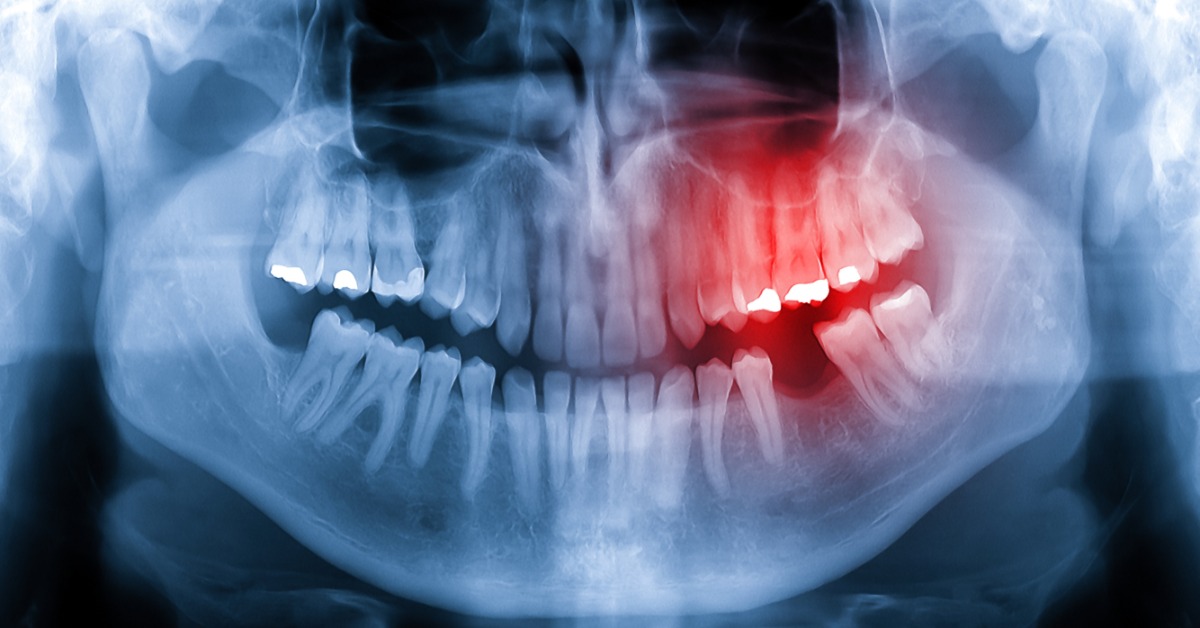
A root fracture doesn’t always show up when you first look at the tooth, since the break can sit below the gumline where it’s invisible to the eye. X-rays taken from multiple angles let the dentist see where along the root the fracture sits, whether near the tip, in the middle, or close to the gumline.
Location affects the treatment plan. A fracture near the tip heals with splinting and time in many cases, while one closer to the gumline typically can’t be saved. The dentist repeats X-rays over the following months to track whether the fracture is healing or getting worse.
Addressing Soft Tissue and Gum Damage
Trauma to a tooth almost never stays contained to the tooth itself. Lips, gums, and the inside of the cheek take the same hit and need attention before the dentist can examine the injured tooth closely.
The dentist cleans any cuts and checks for embedded debris like gravel or glass. Deeper lacerations get closed with sutures once the wound is free of debris. Gum tissue around the injured tooth gets checked for tears near the root, since damage there can affect how well the tooth reattaches later. Ignoring this part of the injury raises the risk of infection spreading into the bone.
Managing Pain and Infection Risk
Once the tooth and surrounding tissue are stabilized, the dentist turns to pain and the risk of infection. Over-the-counter pain relievers handle most of the discomfort in the days after treatment, though the dentist prescribes something stronger when the injury involved a deeper fracture or bone damage. Antibiotics may be prescribed if the injury broke the skin or gum tissue, since bacteria can enter through an open wound.
Determining If Root Canal Treatment Is Needed
Not every traumatic injury ends in a root canal, but a lot of them do once the nerve inside the tooth dies from the impact. The dentist watches the tooth over several follow-up visits, testing its response to cold and checking X-rays for dark spots near the root that signal the nerve has died.
If the nerve is gone, root canal treatment removes it, cleans out the canal, and seals the space so bacteria can’t set up an infection inside the tooth. Teeth with roots that haven’t fully formed sometimes get a different procedure that keeps the root developing instead.
Scheduling Follow-Up Care to Monitor Healing
Treatment doesn’t end when you leave the office after the first visit. The dentist schedules a series of follow-up appointments over the following year, spaced closer together at first and further apart as healing continues, since complications like nerve death or root resorption can take months to show up on an X-ray. Each visit includes a cold test on the tooth and a look at the bone around the root for changes.
Catching a problem at the three-month mark instead of the one-year mark gives the dentist more options for saving the tooth. Skipping these visits is the most common reason a treatable tooth ends up lost.
Prompt Care Gives the Tooth a Better Outlook
When traumatic dental injuries occur, endodontists work quickly to assess the damage and protect the natural tooth.
At Commonwealth Endodontics of Virginia, we provide emergency traumatic tooth injury treatments for teeth that’ve been cracked or knocked out. If you’ve experienced a dental injury, don’t hesitate to contact our office. The earlier traumatic dental injuries are treated, the better the opportunity to save the tooth.