
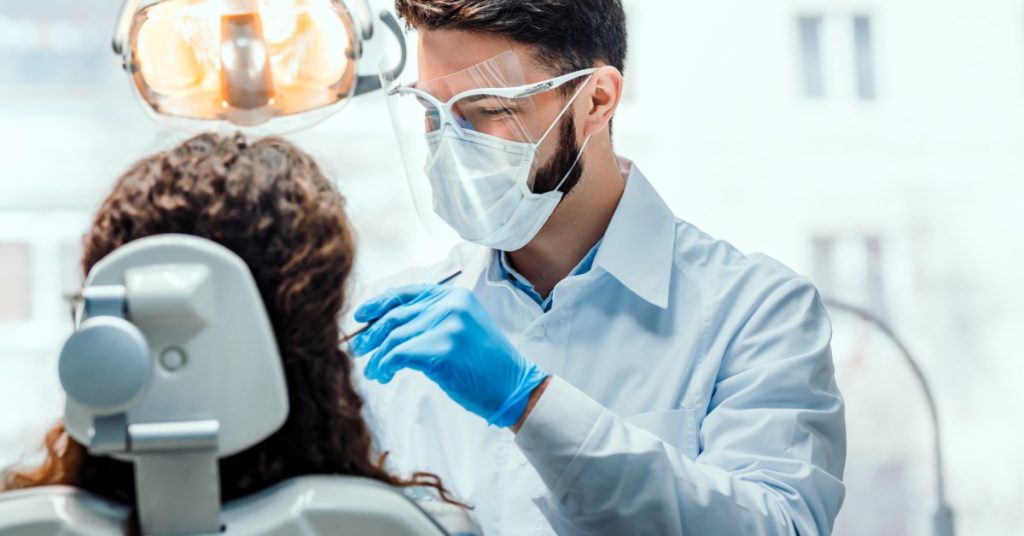
Dentistry branches out into several specialties. You know about your general dentist; that’s the provider you see annually for cleanings and routine checkups. But there are also endodontists and orthodontists. Many people get these two specialties mixed up due to their similar-sounding names. While there’s some slight overlap in what they do, these two fields largely serve different purposes. If you’d like to learn more about the differences between endodontics and orthodontics, we cover them here.
What Is Endodontics?
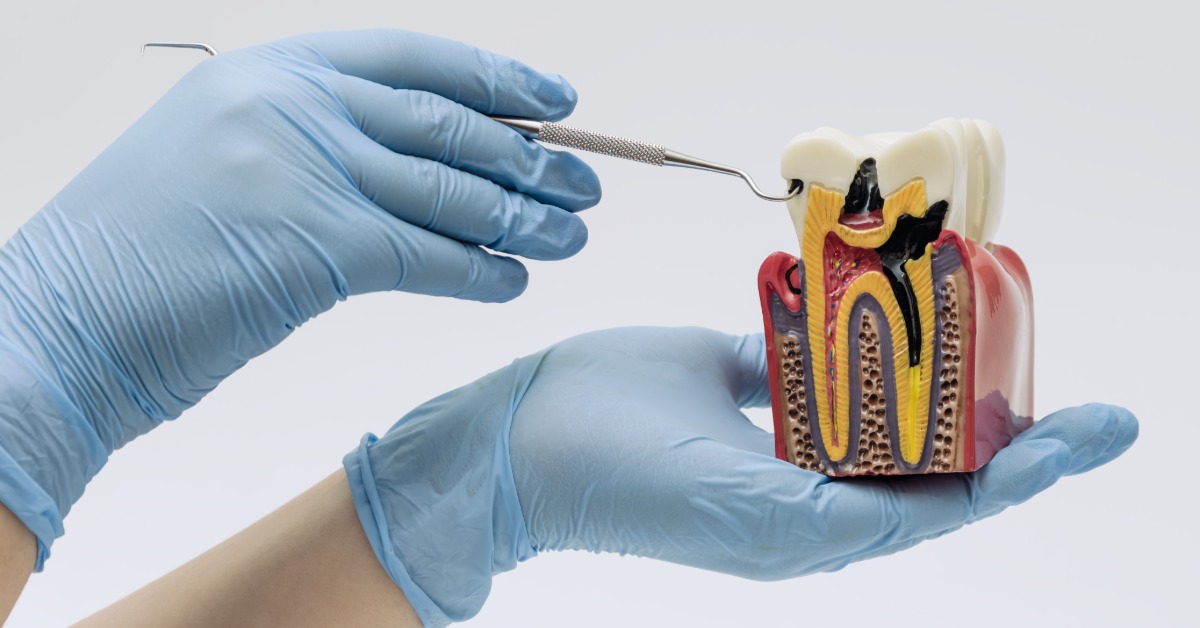
Endodontics is the branch of dentistry focused on the inner structures of the tooth, specifically the pulp, the nerves, and the tissues that run through the root canals.
If that sounds highly technical, it is. Endodontists spend years beyond dental school learning how to diagnose and treat problems that originate below the surface, where a general dentist’s scope of treatment ends.
Saving Teeth from the Inside Out
The most recognized procedure in endodontics is the root canal. When the pulp inside a tooth becomes infected or badly damaged, the infected tissue has to come out. Without treatment, that infection can spread beyond the tooth and into surrounding bone.
A root canal removes the damaged pulp, cleans out the canal, and seals everything so the tooth can stay in place.
Handling Dental Injuries
Tooth trauma is another area where endodontists step in. A cracked tooth from a fall, a displaced tooth from an accident, or a tooth that took a hard hit during a sport can all affect the inner tissue even when the outside looks intact.
Not every dental injury needs a root canal, but many injuries that go deeper than the enamel do need an endodontist’s evaluation. The sooner that happens, the better the odds of keeping the tooth.
Treating Abscesses
An abscess is a pocket of infection that forms at the root of a tooth or in the gum tissue nearby. It’s painful, and it doesn’t go away on its own.
Endodontists treat abscesses by draining the infection and addressing whatever caused it in the first place. In some cases, that means a root canal. In others, it requires a procedure called an apicoectomy, where the tip of the tooth root is removed to clear out infected tissue that a standard root canal couldn’t reach.
When a Root Canal Needs a Second Round
Sometimes a root canal doesn’t fully resolve the problem. The infection comes back, or the tooth never healed the way it should have. Endodontists perform retreatments in these cases, reopening the tooth to clean the canals more thoroughly and give the tooth another opportunity to heal.
What Is Orthodontics?

Orthodontics is the branch of dentistry focused on the alignment of teeth and jaws. Where endodontics works from the inside of a tooth, orthodontics works on the outside structure of your bite.
An orthodontist is the specialist behind braces, retainers, and clear aligners. But the work goes deeper than making teeth look straighter.
Correcting Bite Problems
A misaligned bite, also called a malocclusion, puts uneven pressure on certain teeth during chewing. Over time, that leads to worn enamel, jaw tension, and discomfort. Orthodontists diagnose and correct bite issues so that the teeth meet the way they’re supposed to.
Overbites, underbites, crossbites, and open bites all fall into this category. Each one has a slightly different cause and a different treatment path, but they share the same goal: getting the upper and lower teeth to function together without strain.
Straightening Crowded or Gapped Teeth
When teeth don’t have enough room to grow in properly, they push against each other and overlap. When there’s too much space, gaps form between them. Both of those situations can be treated orthodontically.
Crowded teeth are harder to keep clean because a toothbrush and floss can’t reach every surface as easily. Closing gaps and reducing crowding isn’t just about aesthetics; it changes how the whole mouth functions on a daily basis.
Supporting Jaw Development in Younger Patients
Orthodontic treatment often starts earlier than people expect. In younger patients, the jaw is still growing, which gives an orthodontist the window to guide that development before problems become more serious.
Palate expanders and other early intervention tools work on the bone structure itself, not just the teeth. Catching alignment issues while the jaw is still forming can reduce how much work needs to be done later on.
How to Tell Which Specialist You Need
So how do you know which one applies to your situation?
You likely need an endodontist if:
- You have persistent pain deep in a tooth that doesn’t go away on its own
- A tooth is sensitive to temperature long after the hot or cold source is removed
- There’s visible swelling in your gum or jaw near a specific tooth
- You’ve had dental trauma from an accident or sports injury
- A previous root canal has started causing problems again
You likely need an orthodontist if:
- Your teeth are visibly crowded, overlapping, or unevenly spaced
- Your top and bottom teeth don’t come together in a comfortable bite
- You’ve been grinding your teeth and jaw pain has followed
- A dentist has flagged bite issues during a routine appointment
- You or your child is approaching an age where alignment needs to be evaluated
In many cases, you won’t have to figure this out on your own. Your general dentist is usually the first one to notice a problem and refer you to the right specialist. If a root canal is in your future, they’ll send you to an endodontist. If your bite needs correction, you’ll get a referral to an orthodontist.
Two Different Specialties, One Goal
What’s the difference between endodontics and orthodontics? Endodontics is the specialty focused on the inner tissue of your teeth, covering infections, injuries, and root-level problems. Orthodontics focuses on alignment, correcting how your teeth and jaw sit in relation to each other. Many people will end up seeing both at different points throughout the course of their lives for completely different reasons.
If you need to see a local endodontist for something like tooth trauma treatment, Commonwealth Endodontics, based in central Virginia, can help. We offer 24/7 emergency care for more serious issues like severe infections and traumatic injuries, as well as referral-based appointments for routine endodontic procedures. Contact us today to ask questions or book your appointment.